
Kate Tucker
Thinking with my hands
3 October - 31 October
Opening 3-5pm Saturday 3rd October
Darren Knight Gallery, presented in association with Daine Singer
840 Elizabeth Street, Waterloo
Sydney, Gadigal land
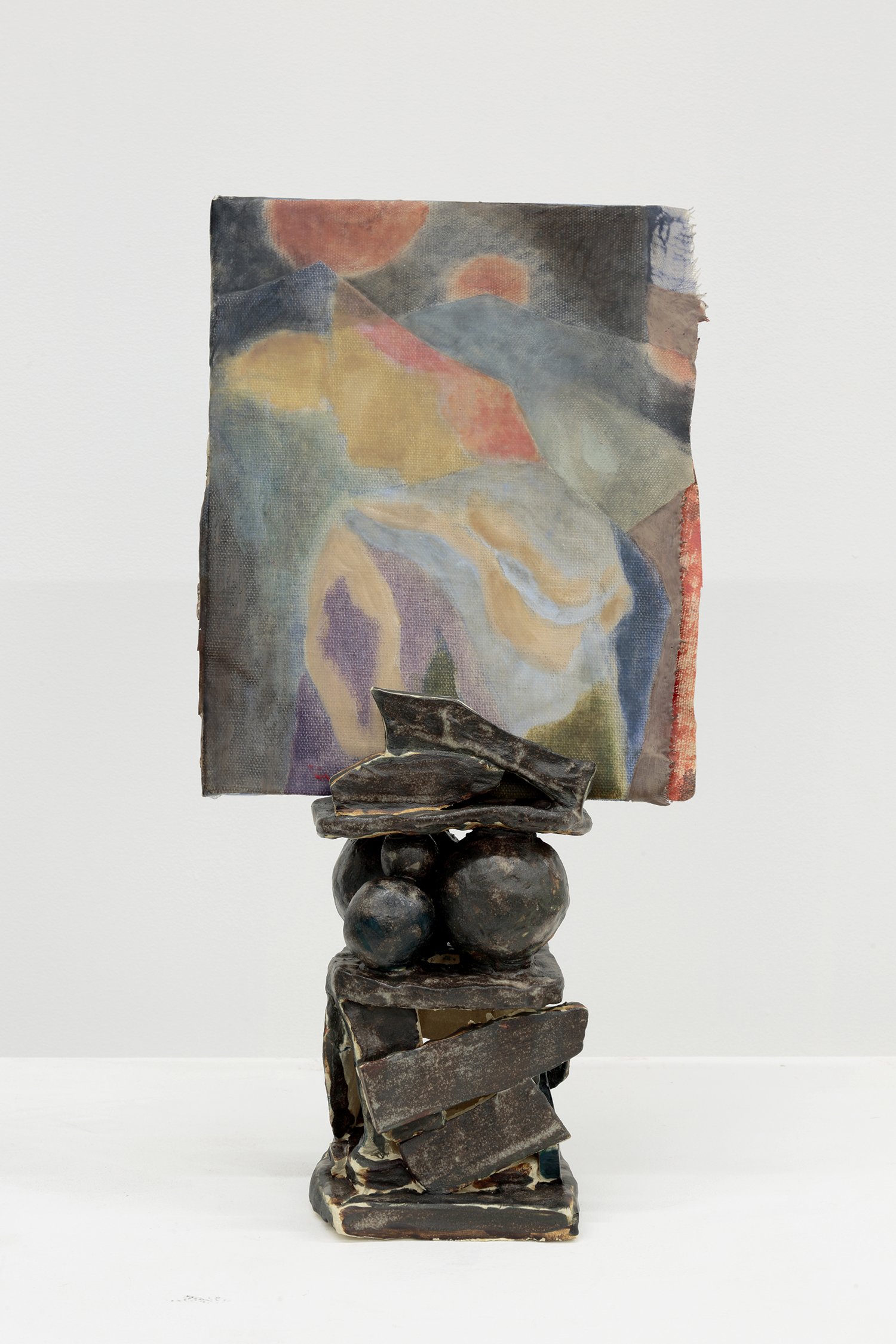
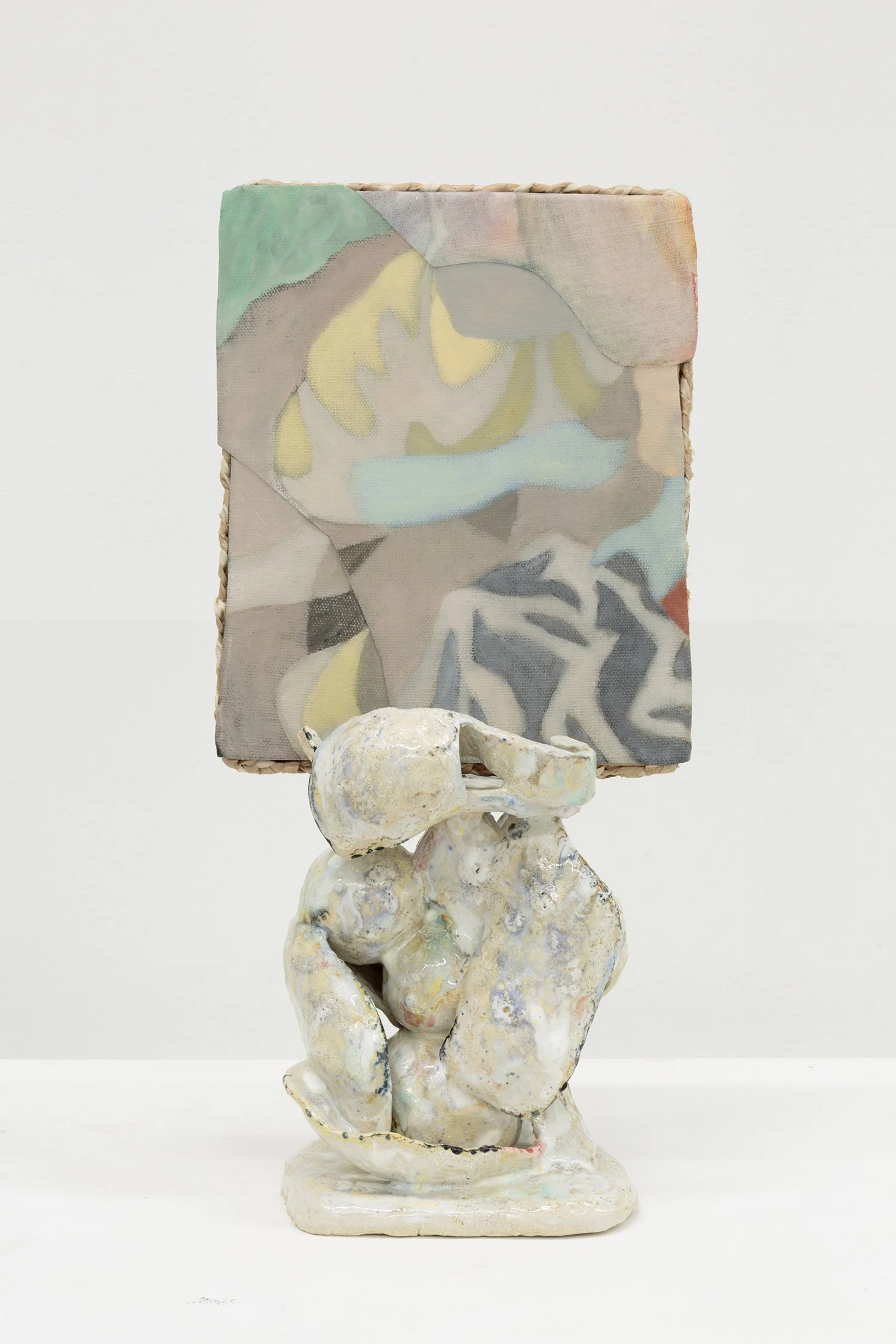
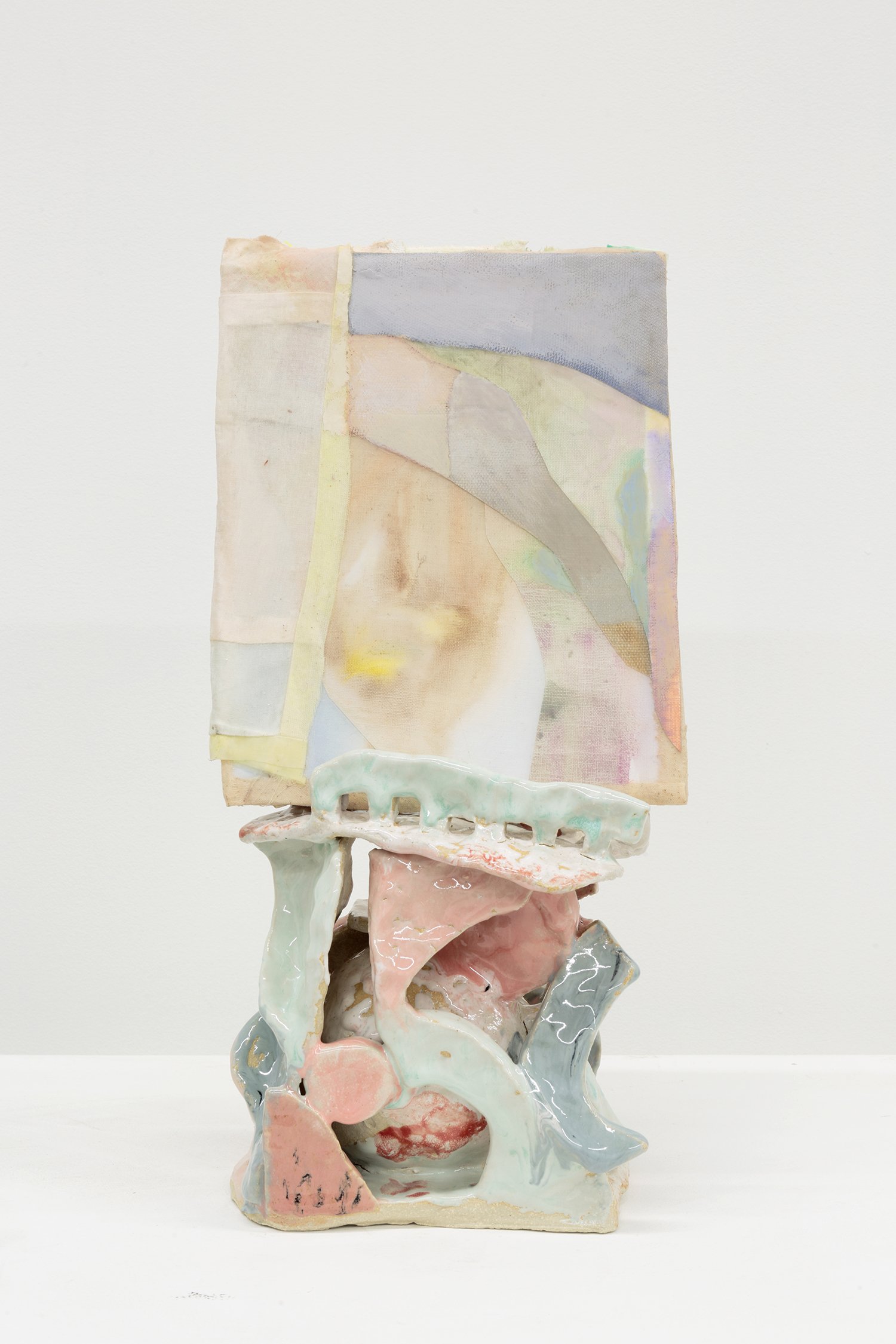
The works comprising Kate Tucker’s Thinking with my hands are an investigation into language, both its permanence and porosity. Tucker’s works give form to the concept of lexical voids: the inability to enunciate certain feelings or sensations. Tucker explores these gaps, using her hands to articulate and transcribe these intangible experiences onto the picture plane. And it is through this act of making that Tucker creates her own visual language.
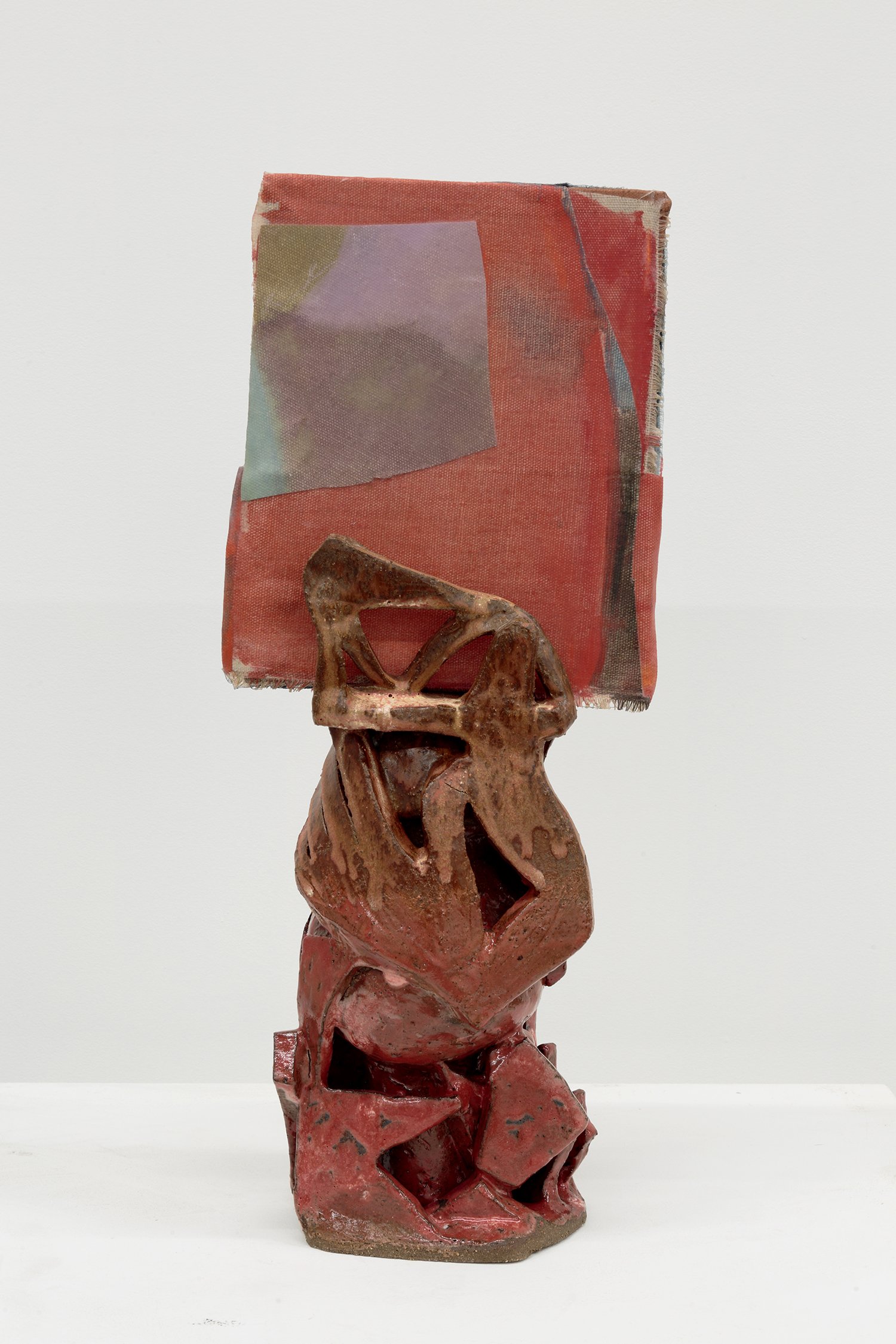
It is this tension between the solidity of language and its ability to be eroded and reinterpreted that reflects Tucker’s ongoing interest in breaking away from defined systems and boundaries. Painting and sculpture sit side by side and collide in Tucker’s practice, where strict categories are encroached upon and abandoned.
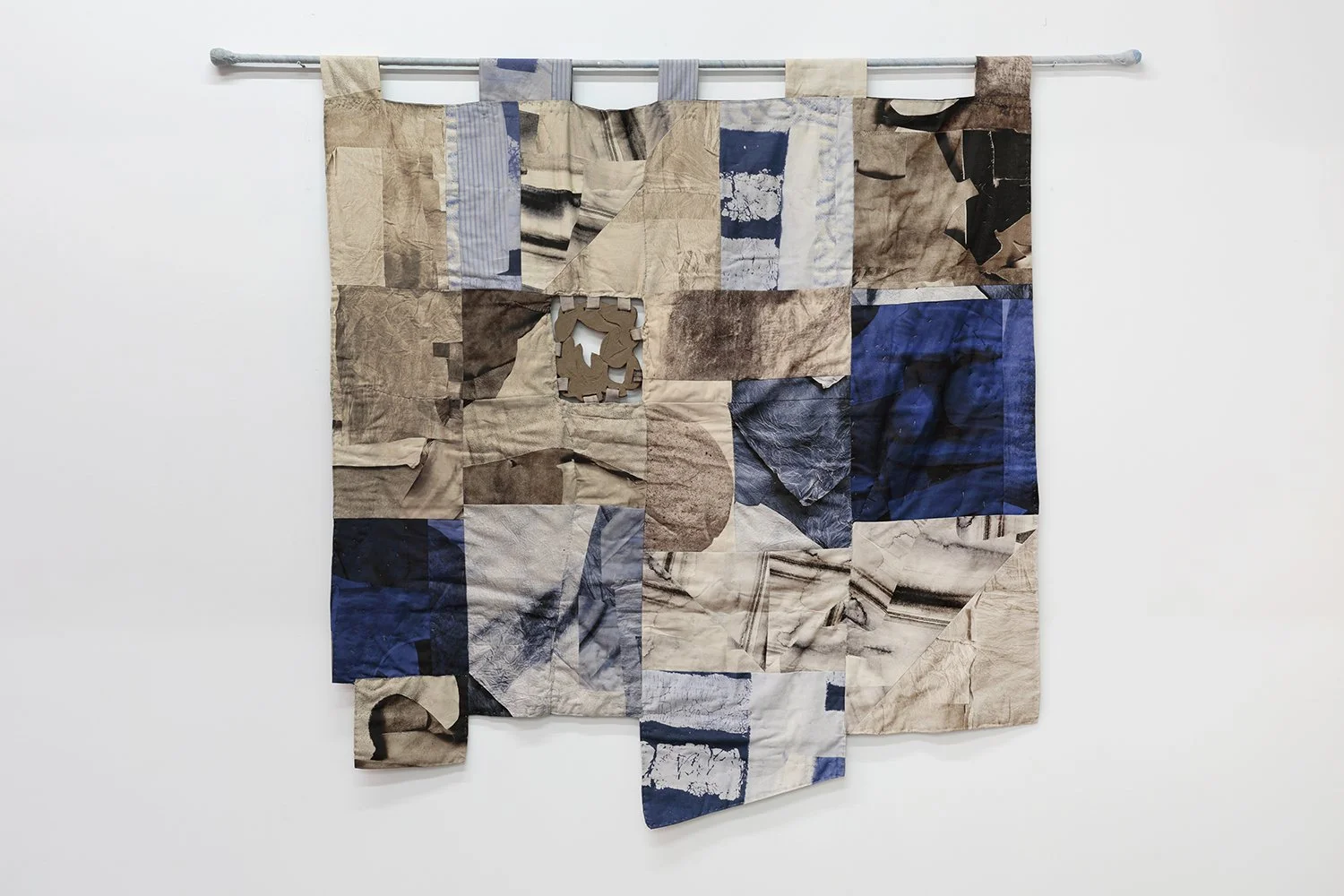
This constant tussle is at play within the textile work Care Banner 4 (2026), which positions photographs of old craft instructional manuals alongside those of Tucker’s own works. Yet, these photographs have been abstracted, remixed and edited to a point beyond recognition, where we struggle to discern the photographs of Tucker’s own works from those of the manuals. History is compressed within the textile work, and it is this union between past and present that ultimately creates a new language, in some ways attempting to fill this lexical void.
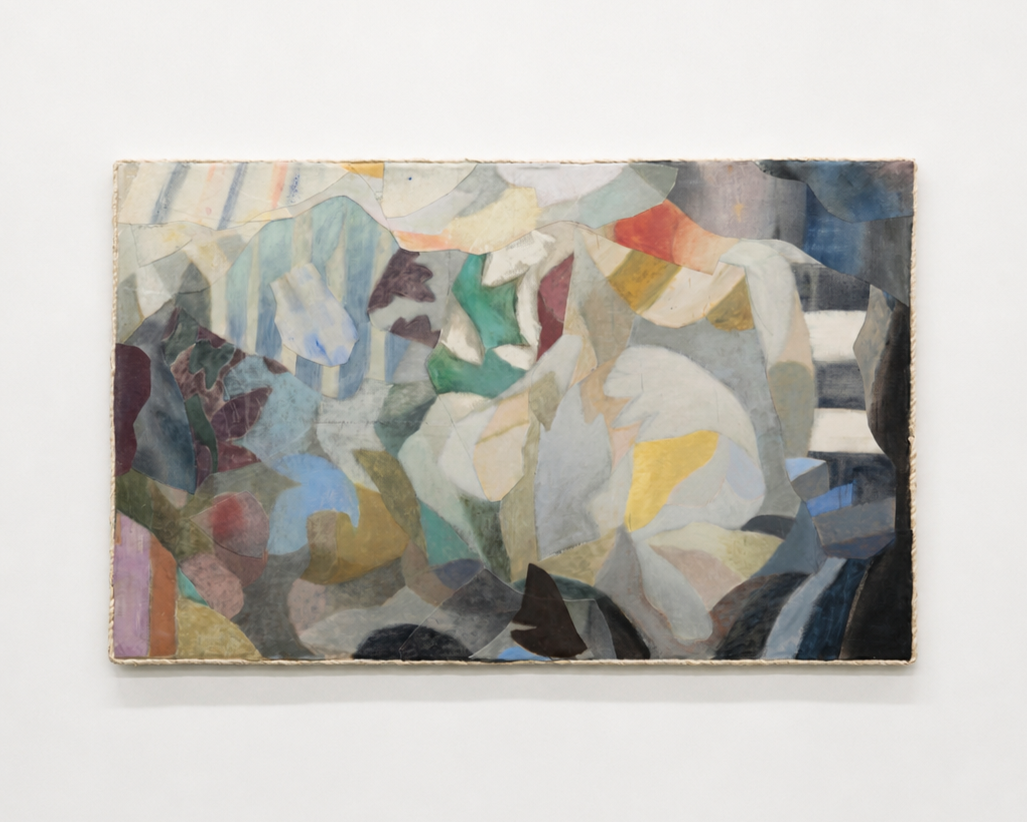
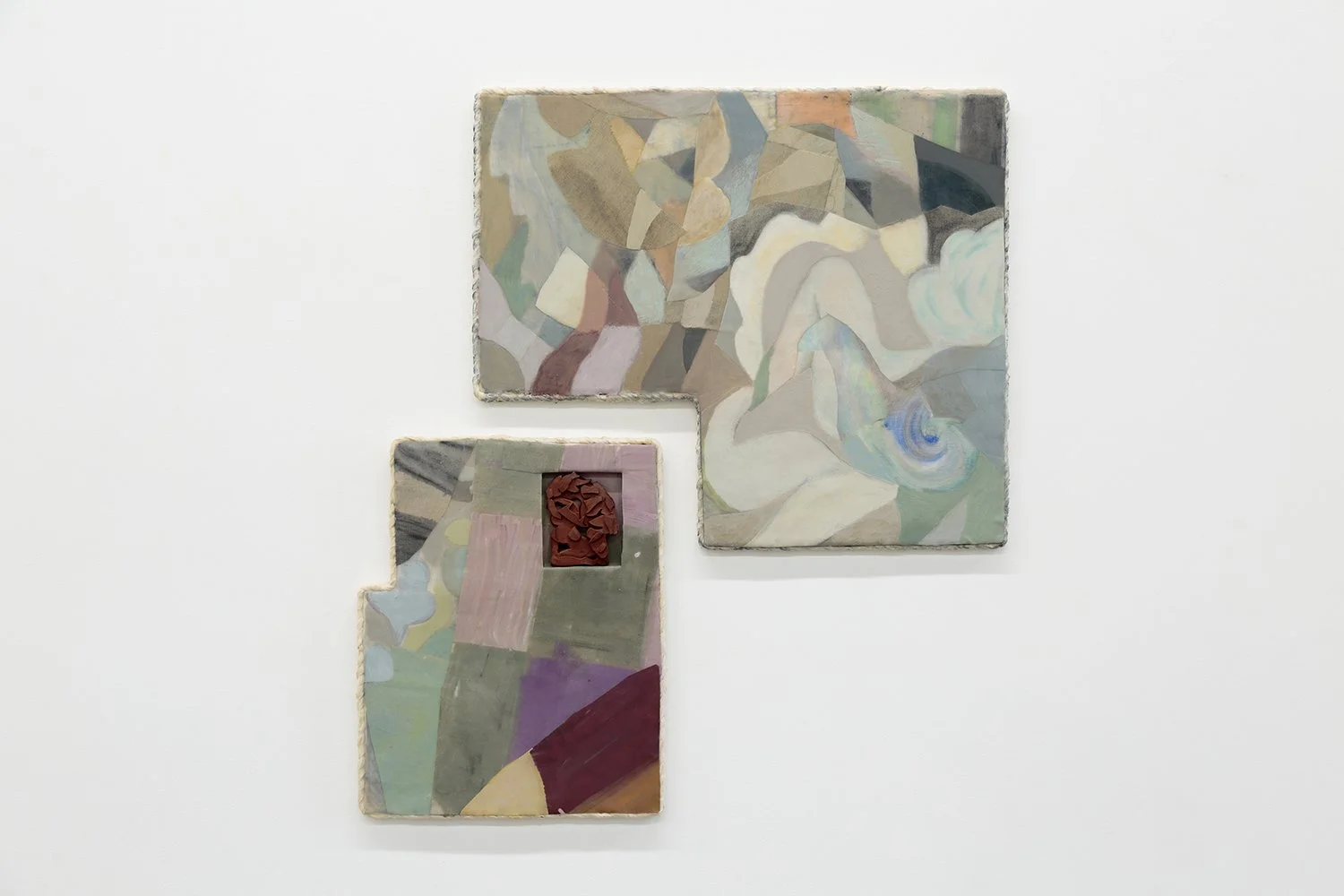
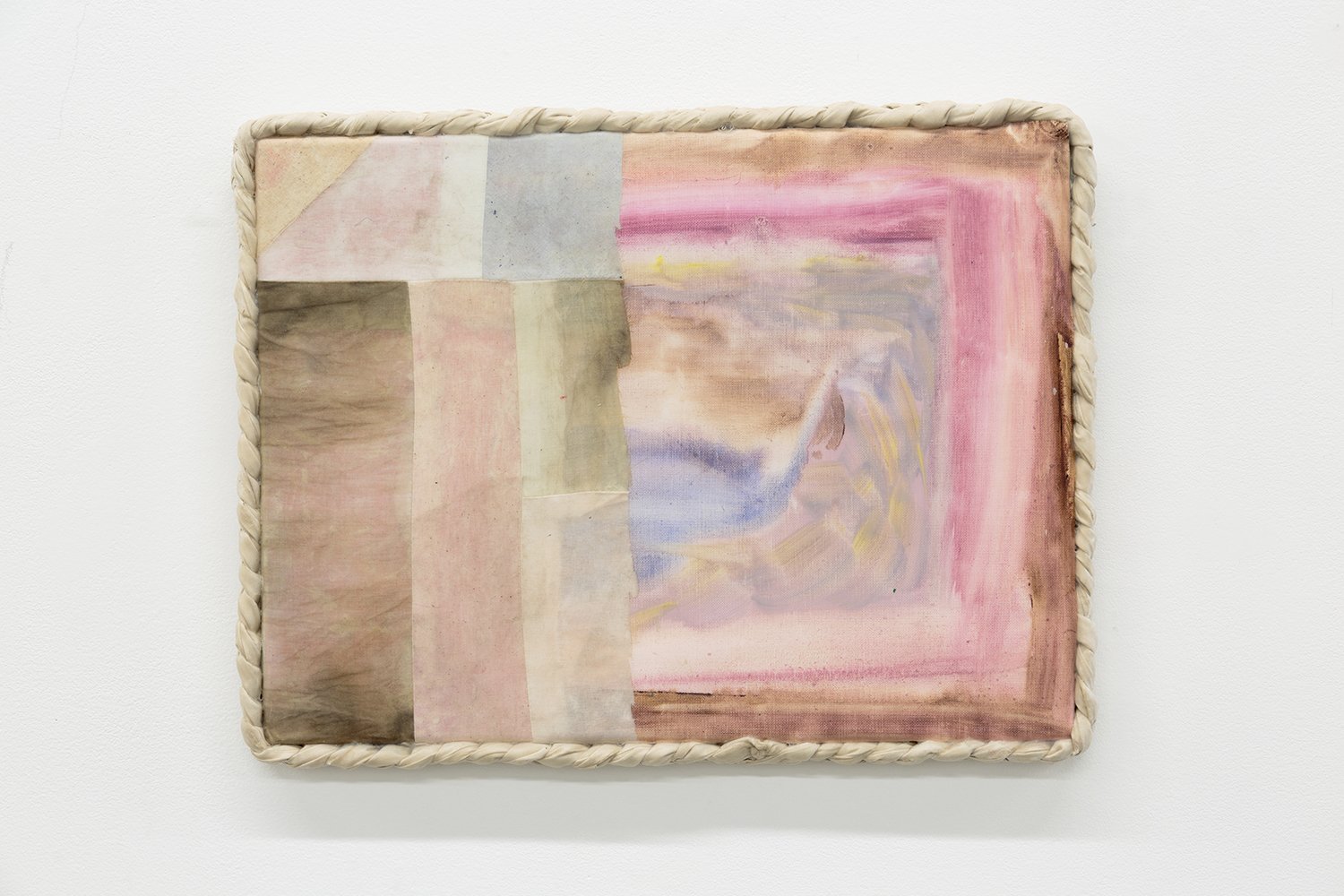
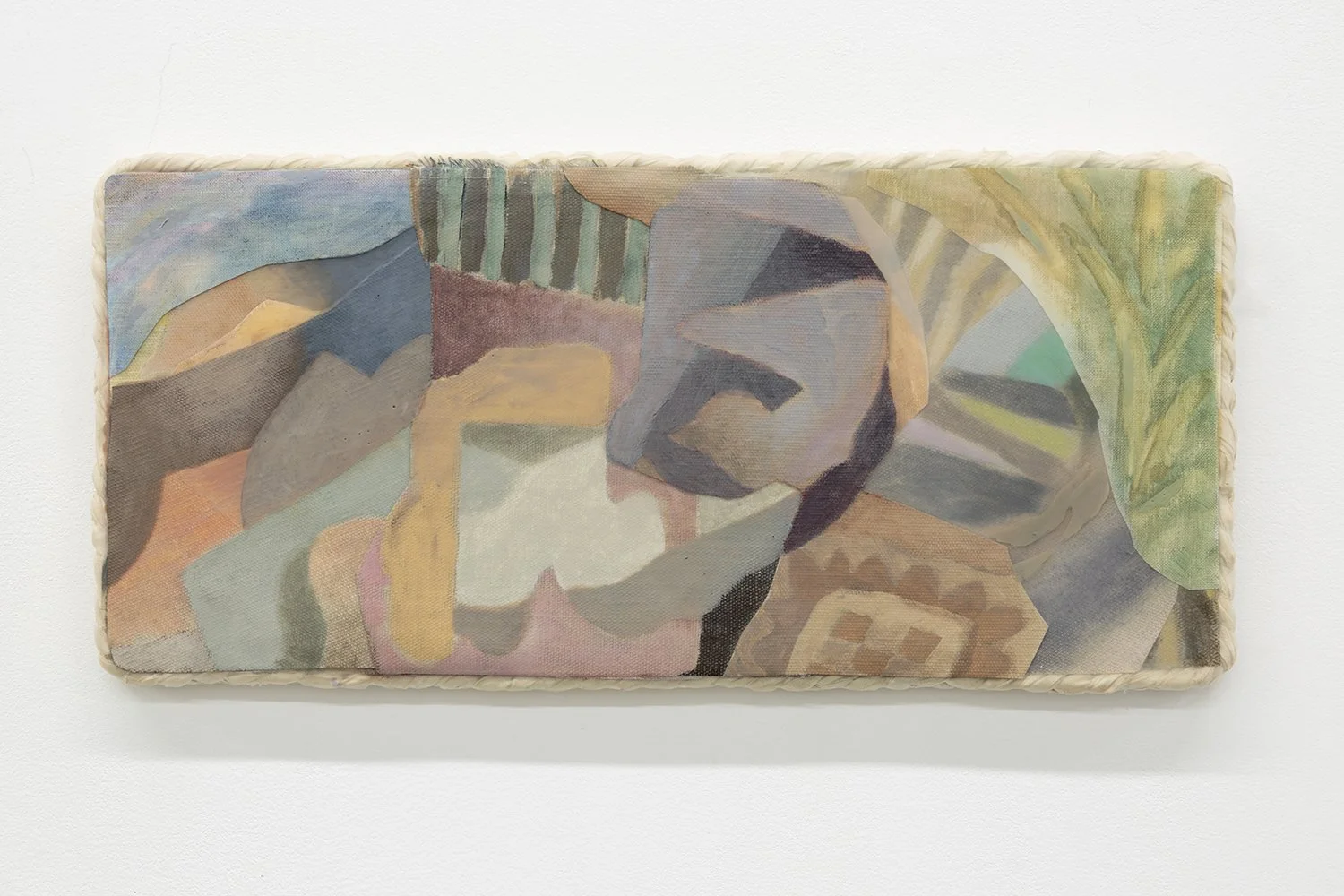
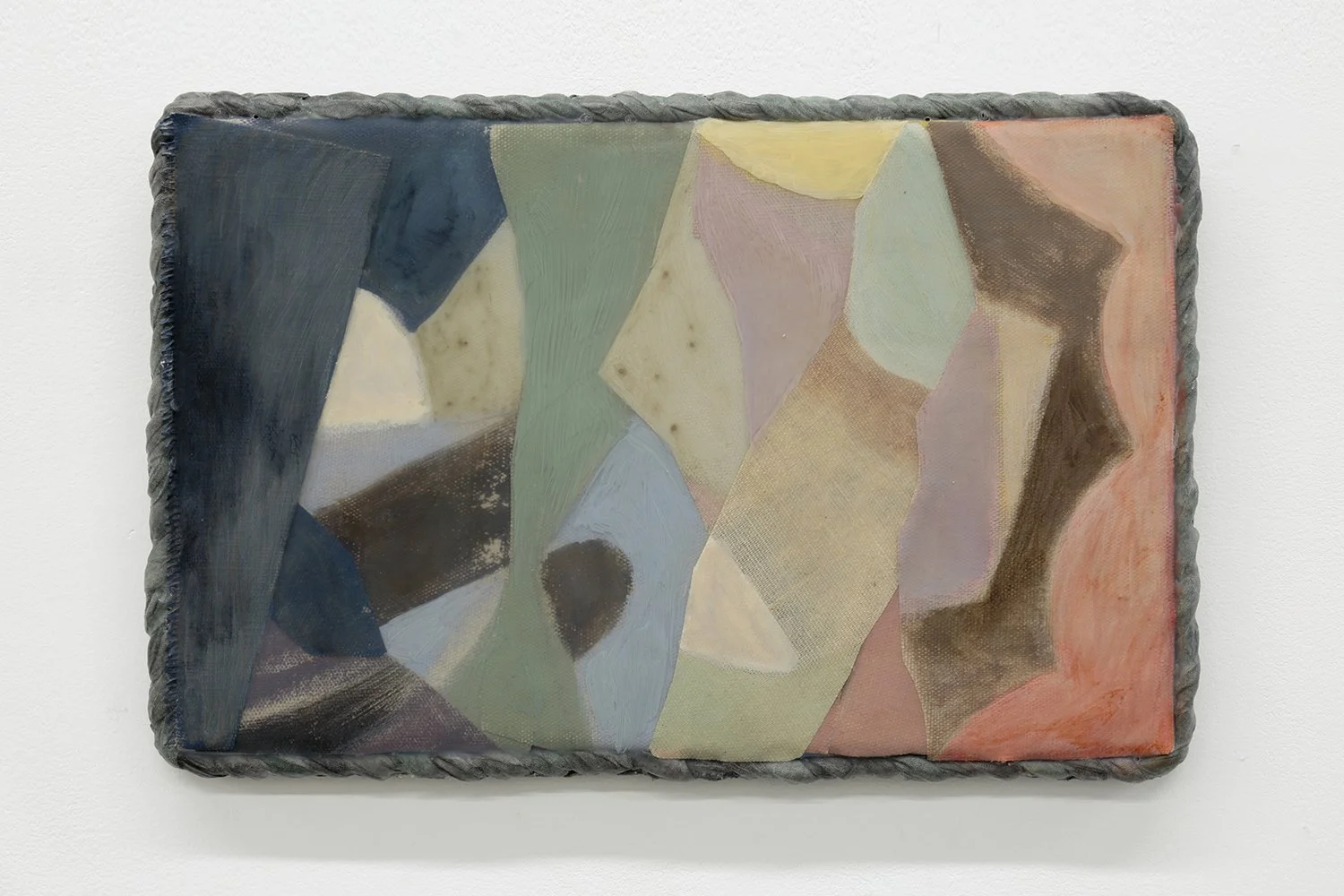
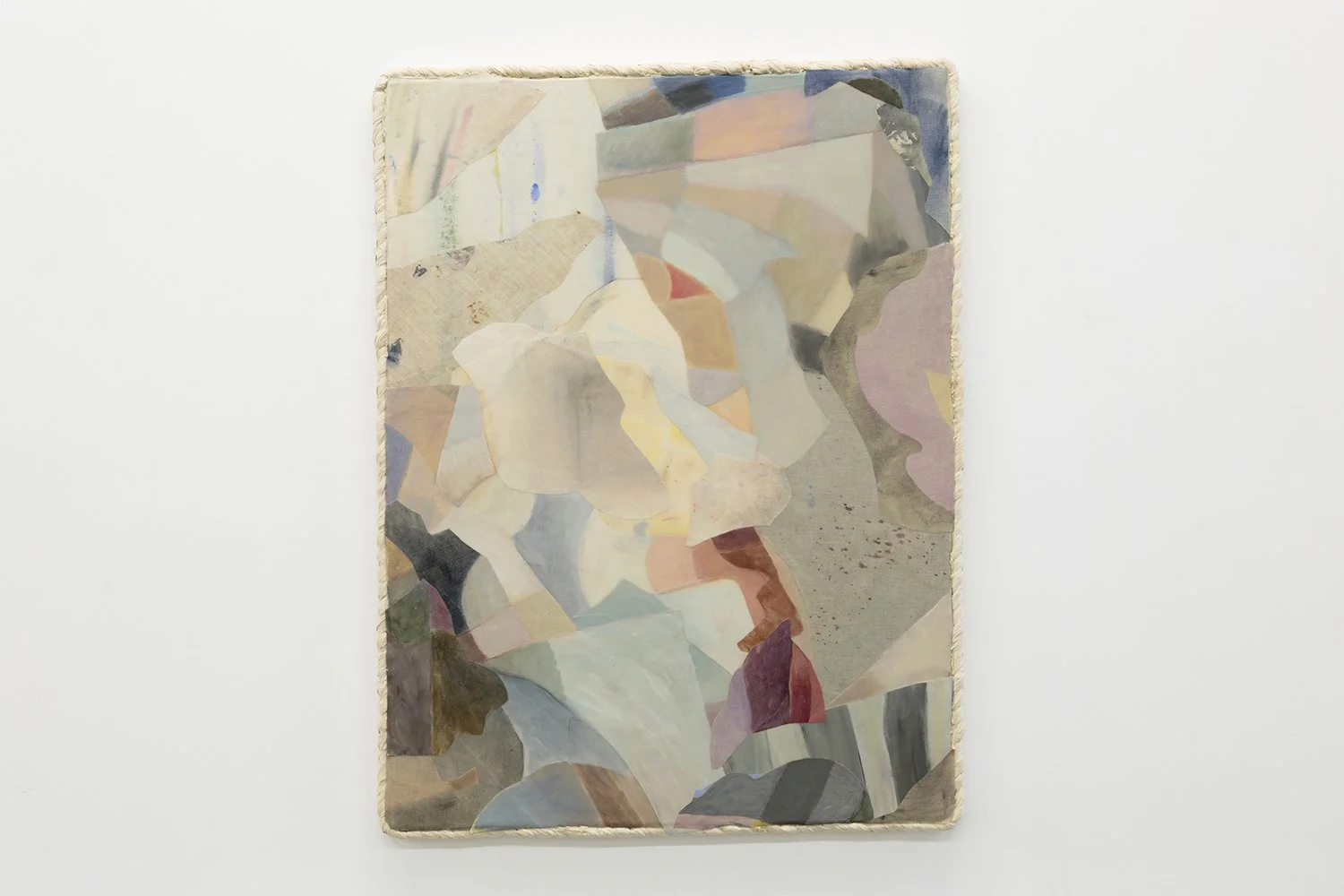
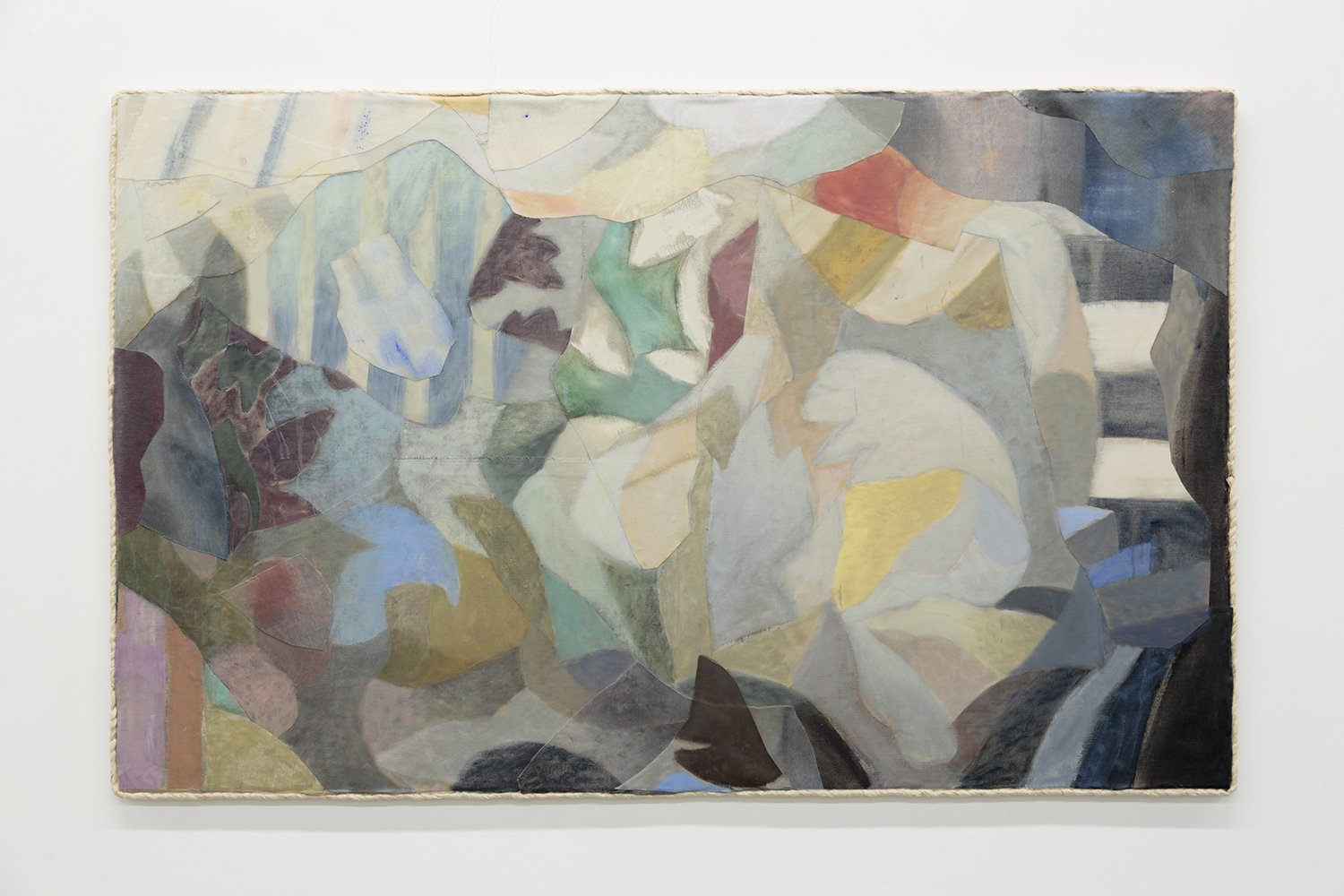
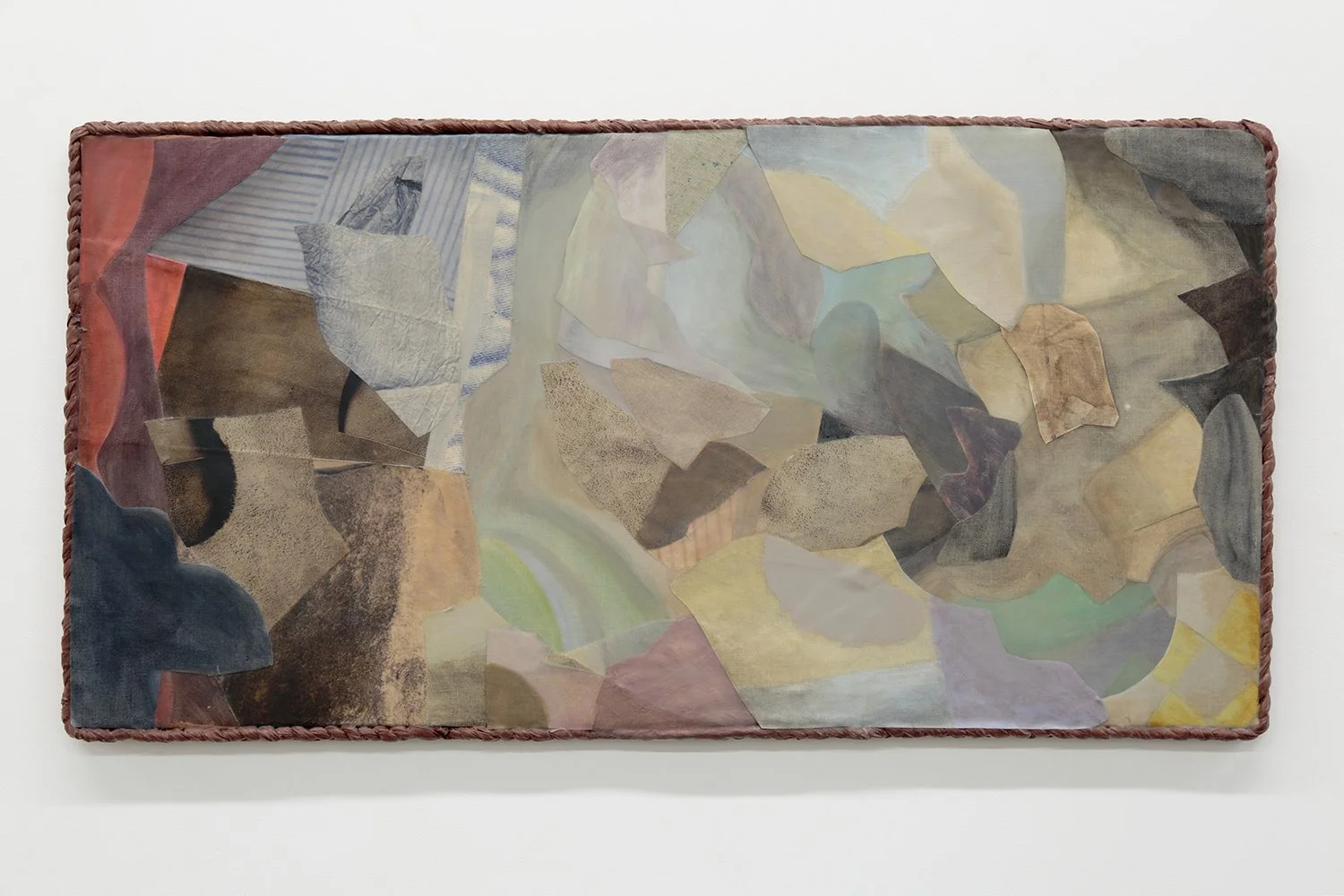
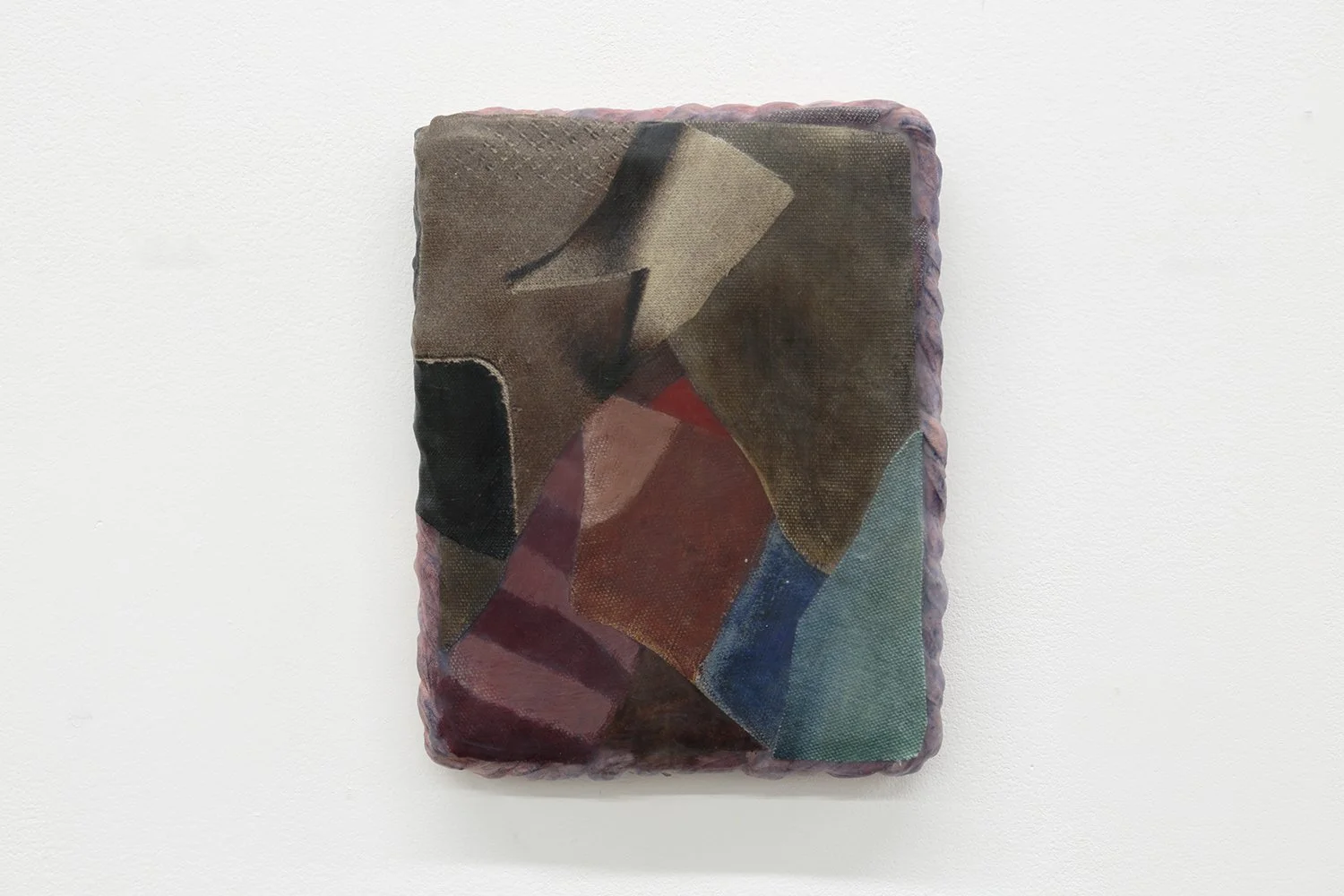
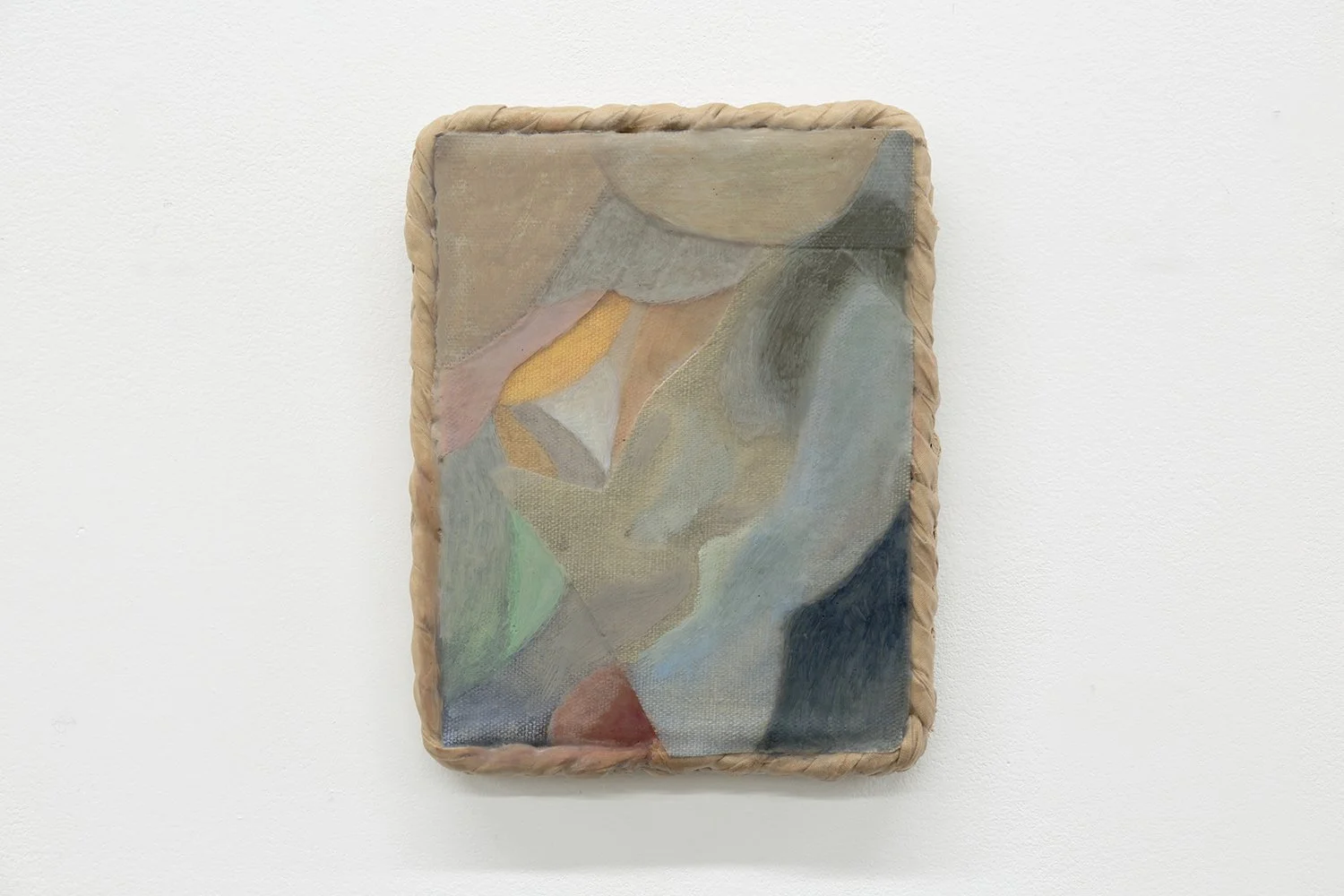
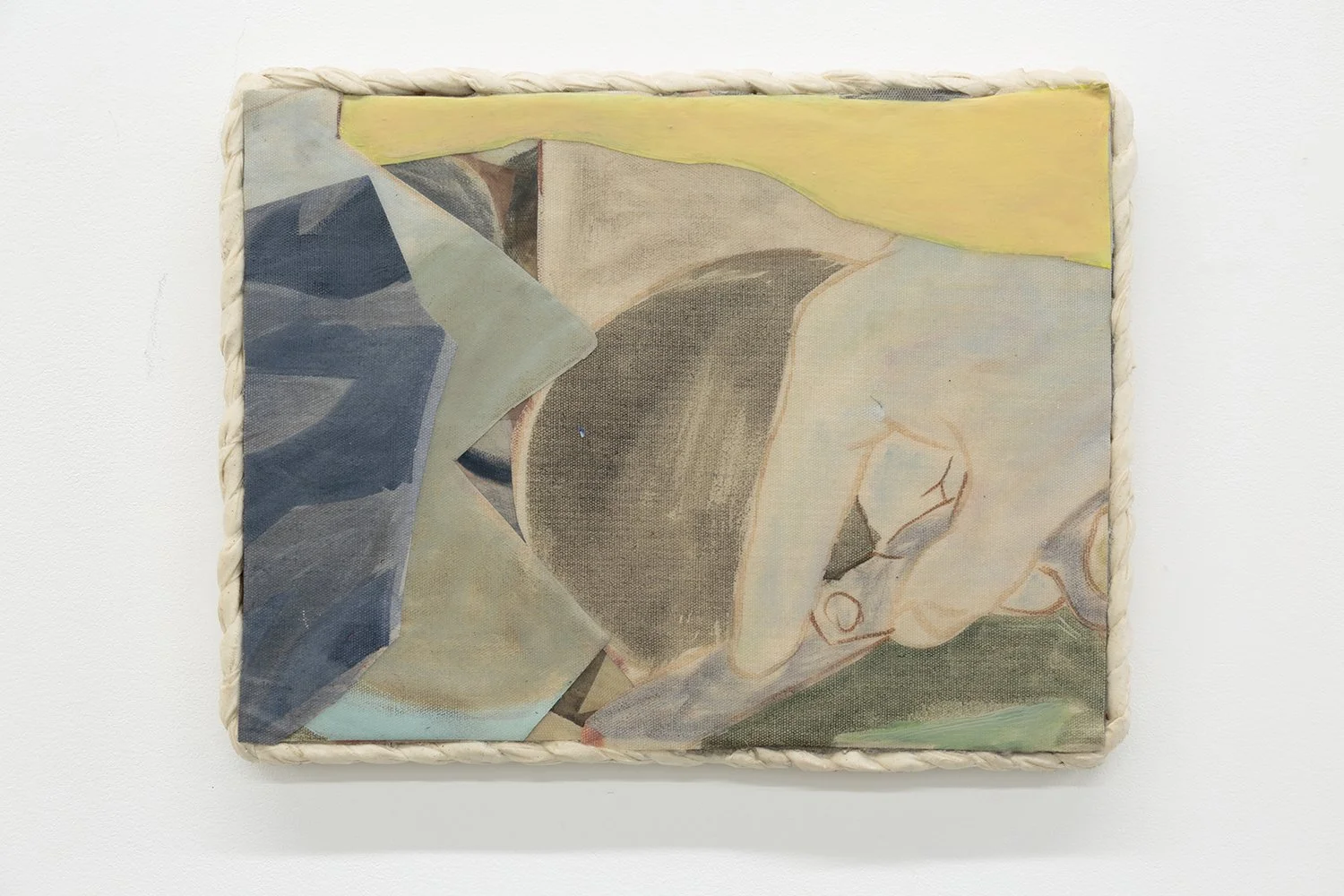
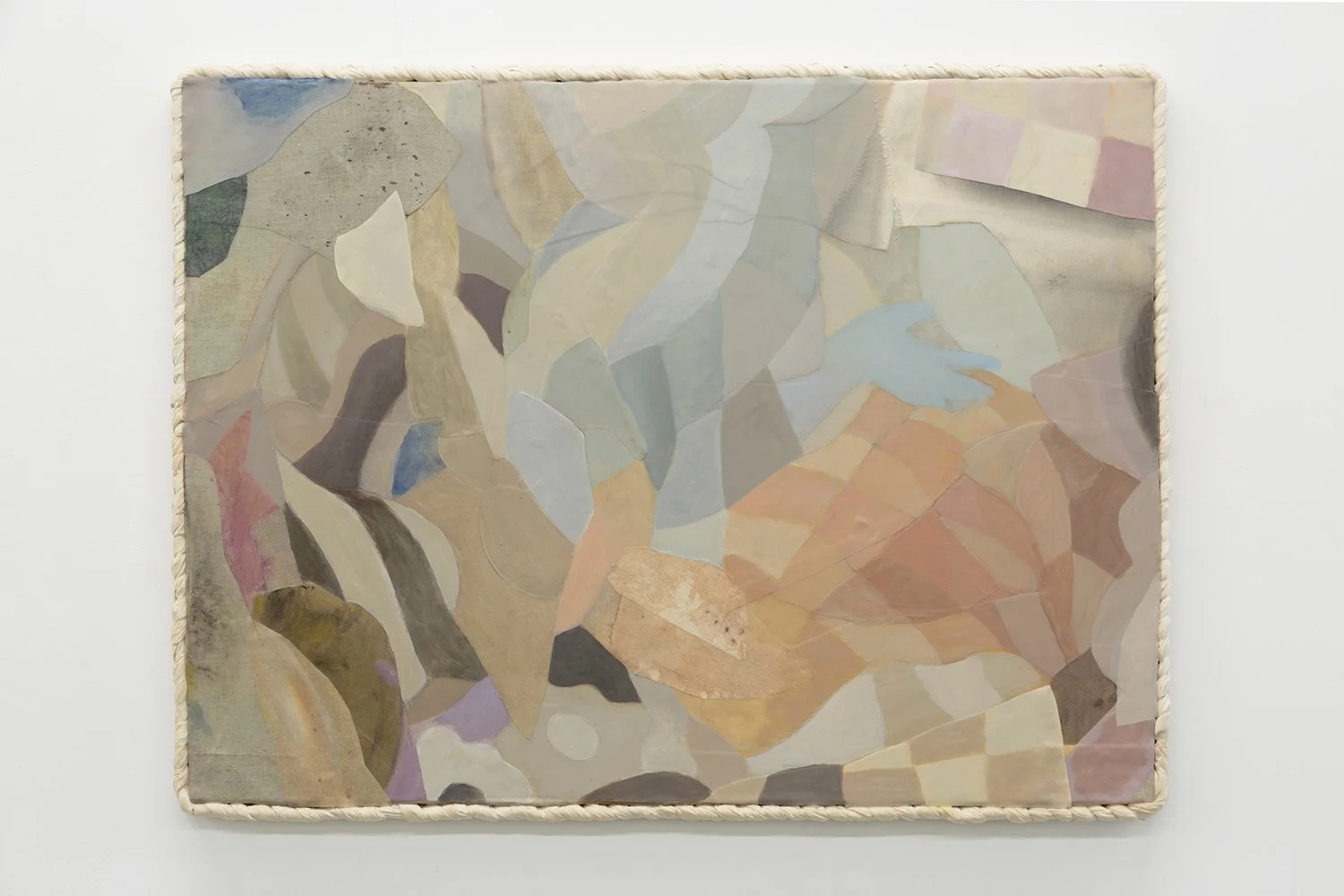
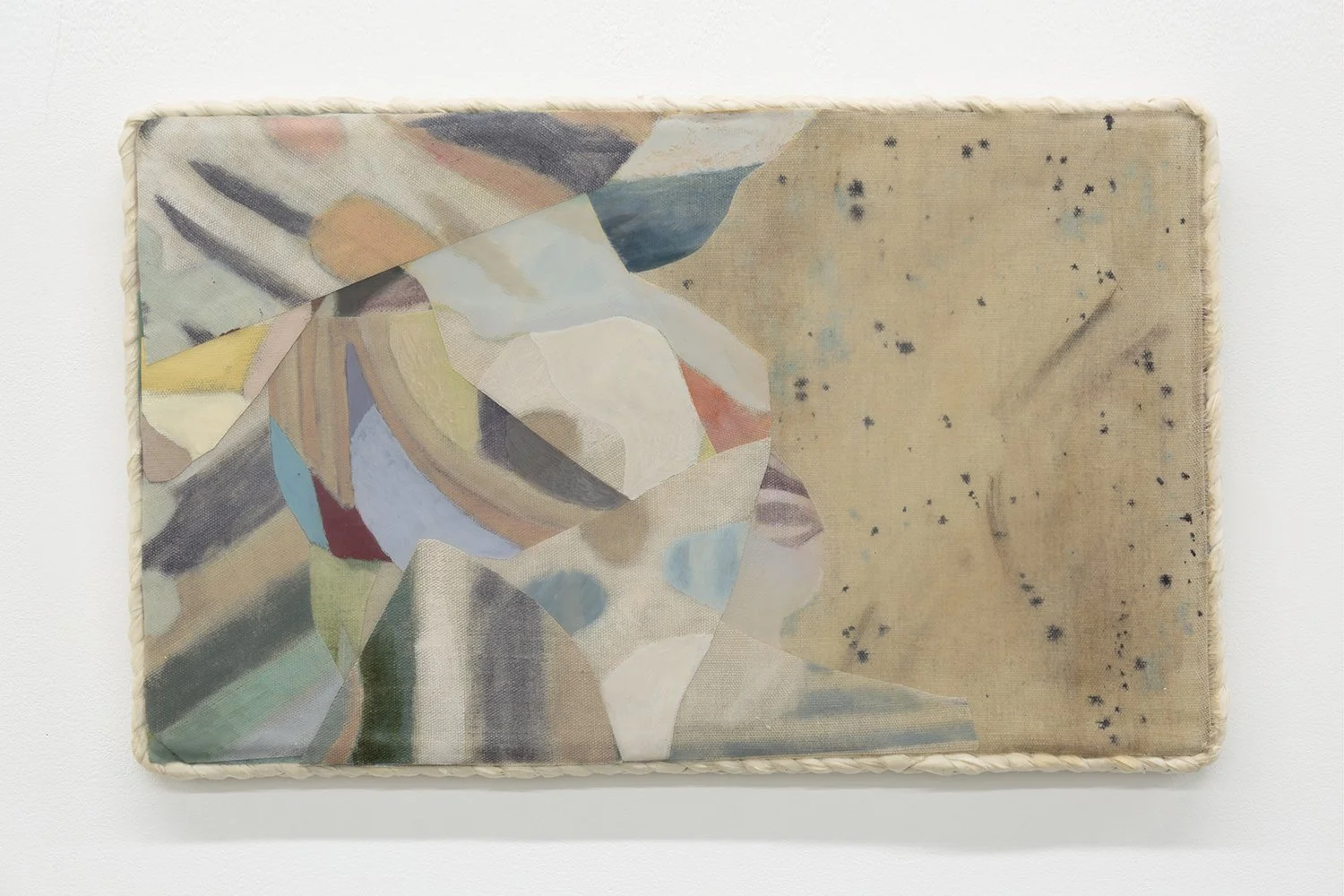
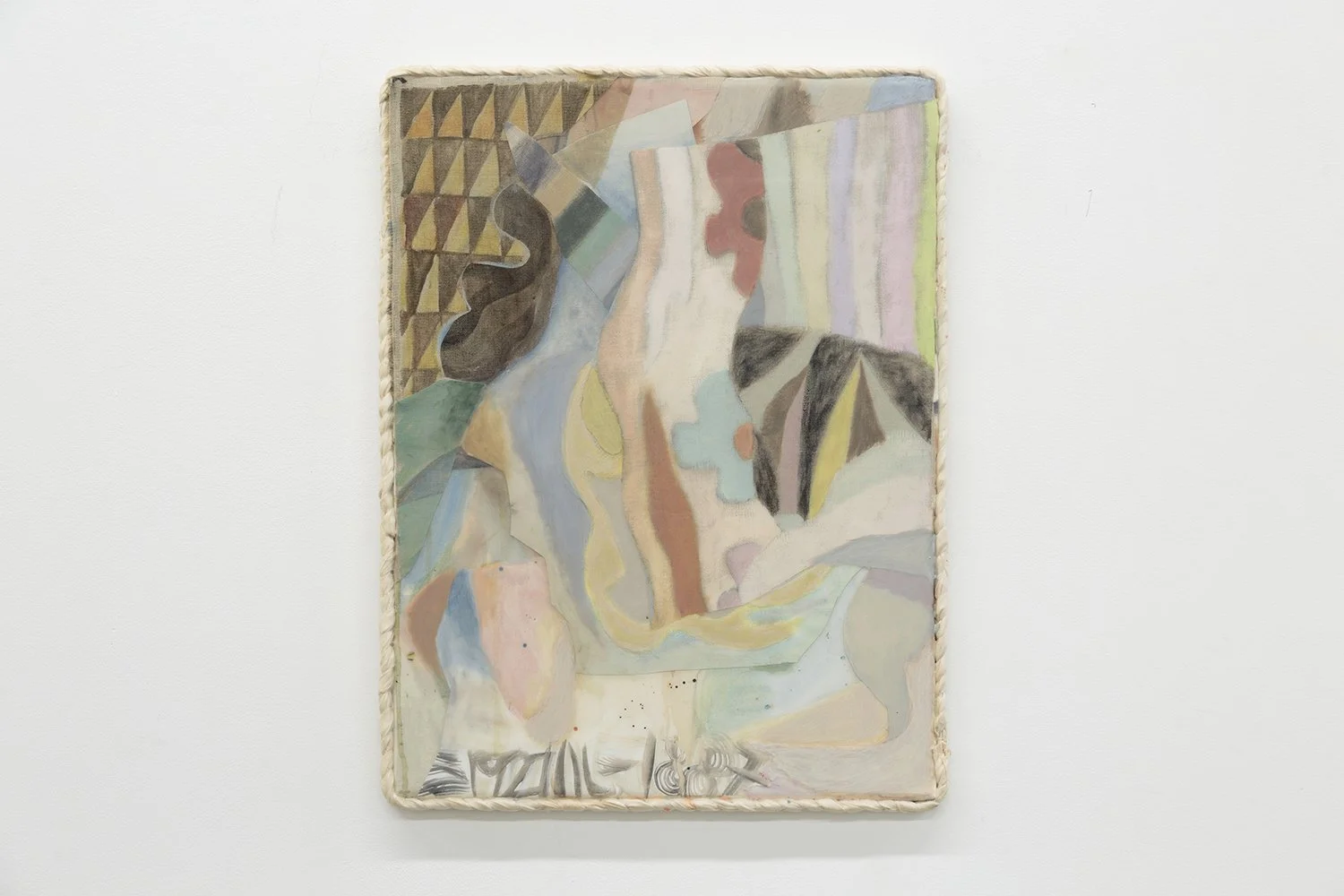
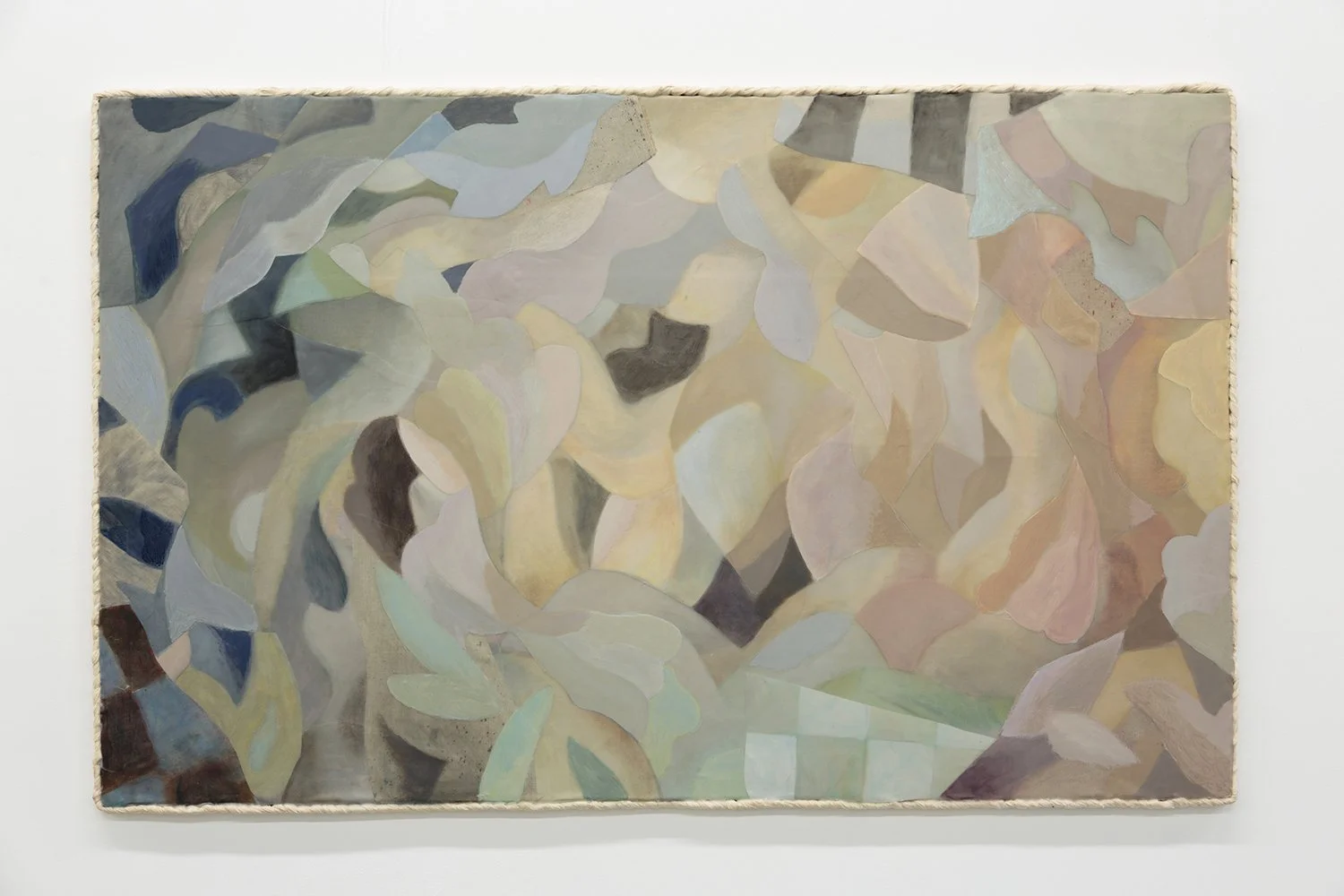
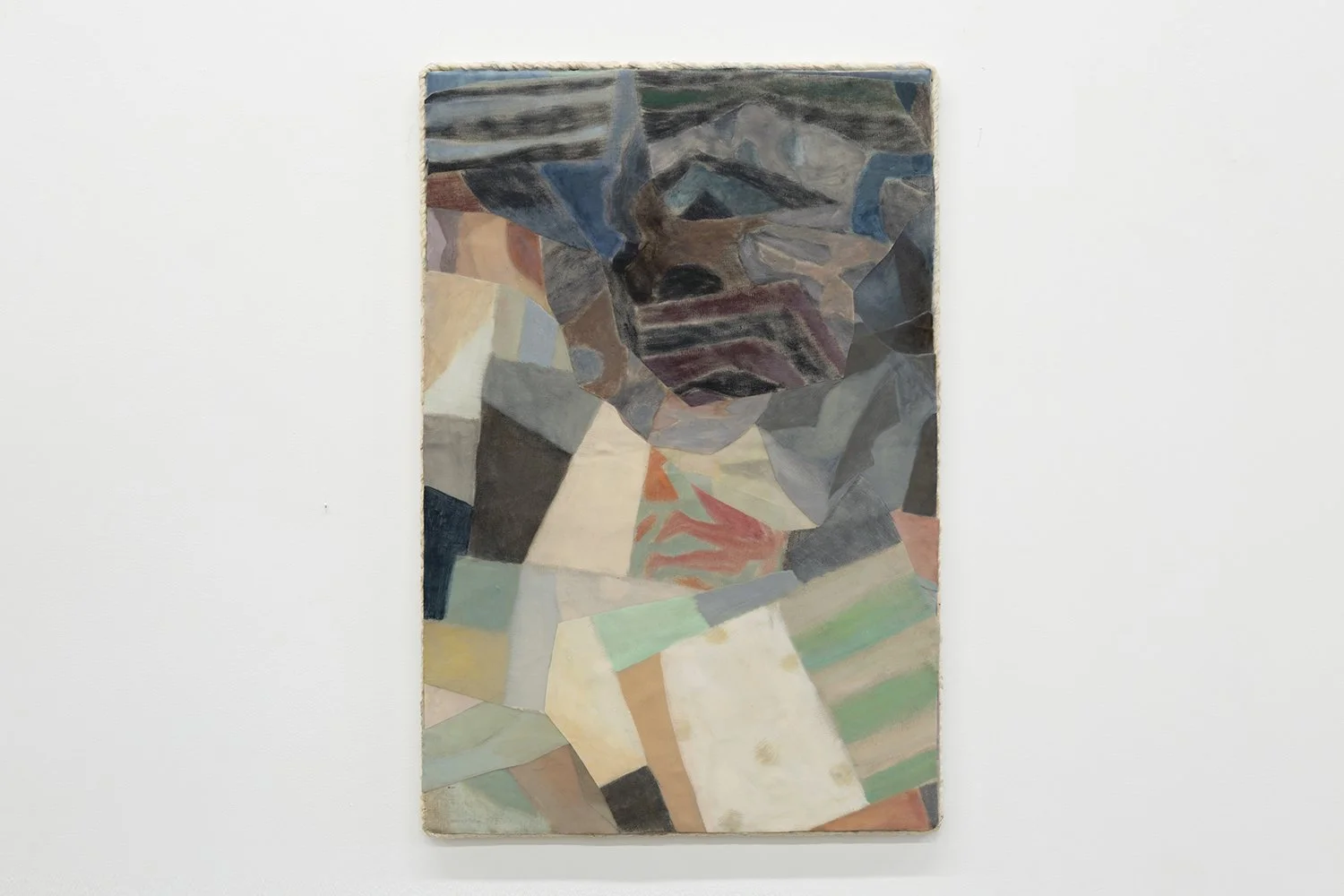
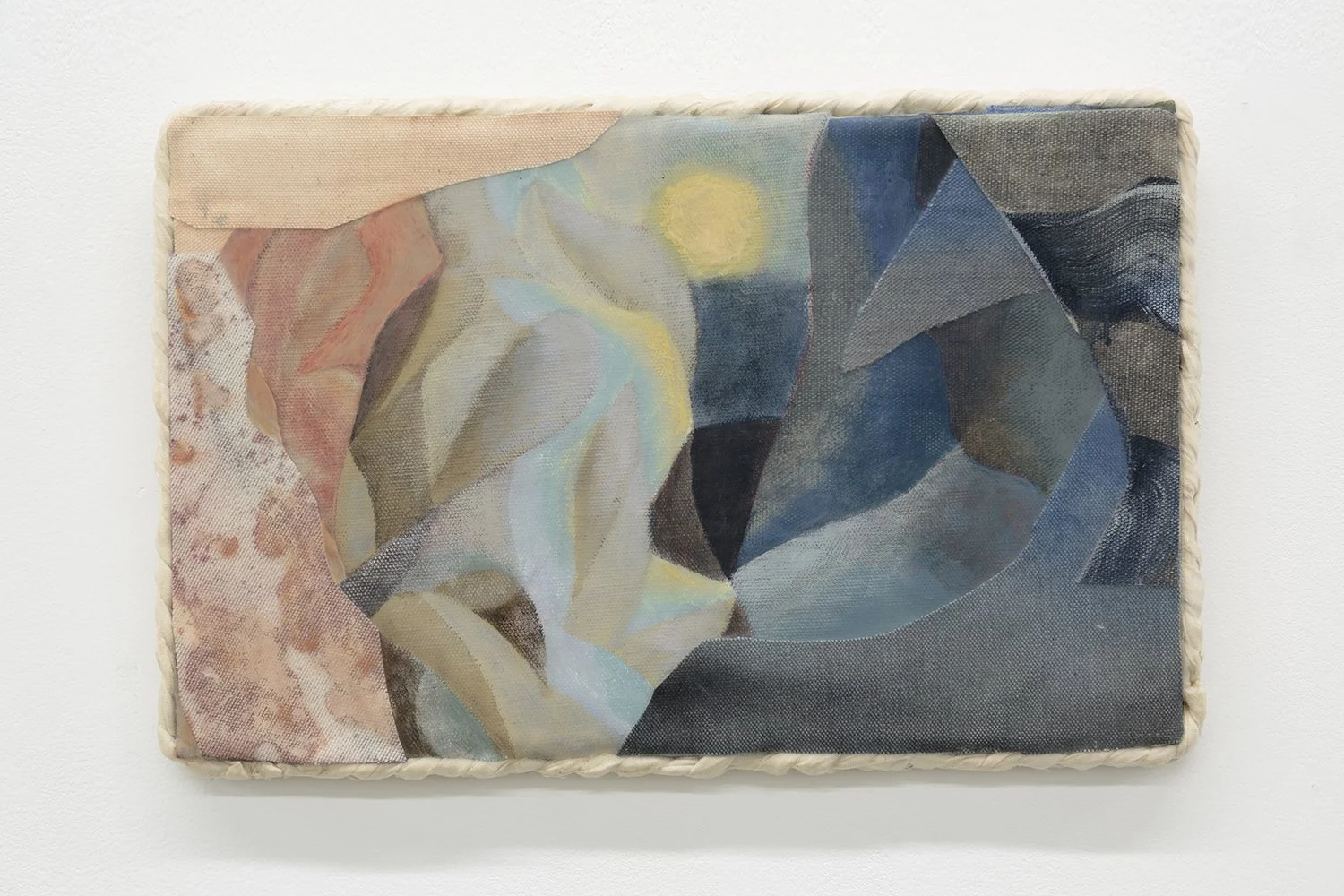
Kate Tucker’s painting process involves the building of slab-like substrates through repetitive layering of various materials. This process emerged as a reaction to the restrictions of painting traditionally onto pre-stretched linens. Rather than working within a defined area and surface, each layer gives opportunity to change the form as well as the content of the work. The resulting paintings represent an accumulation of numerous material based experiments, rather than the realisation of a pre-conceived idea. The freedom afforded by this process has impacted on the way Tucker uses paint to form compositions and make marks. As paint is used to stain calico, which is then wrapped and plaited around the substrate, any painting that is done with a brush must co-habit with a different iteration of itself. Similarly, fabrics that are digitally printed with images of other works are used, sometimes images of earlier versions of the actual painting they become part of.
-
Kate Tucker is a Melbourne/Naarm-based artist. Her recent projects include solo exhibitions at Daine Singer, Cathedral Cabinet, Bus Projects, Galerie Pompom, Art Stage Singapore, Chapter House Lane, c3 Contemporary Art Space, Platform and Helen Gory, and group exhibitions at NADA New York, Sutton Projects, Dutton Gallery, Bendigo Art Gallery, Caloundra Regional Gallery, Castlemaine Art Museum, Swan Hill Regional Gallery, Ararat Gallery TAMA, McClelland Sculpture Park + Gallery, Murray White Room, La Trobe Art Institute, Geelong Gallery, Penrith Regional GalleryCaves, Tristian Koenig, SPRING1883, Incinerator Gallery, Bus Projects and LON Gallery. Tucker is recipient of the 2022 Sunshine Coast Art Prize, and has been a finalist in the Arthur Guy Memorial Painting Prize, Len Fox Painting Prize, Geelong Contemporary Art Prize, The Substation Prize, Albany Art Prize, Bayside Acquisitive Art Prize, The Churchie Emerging Art Prize, Geelong Acquisitive Print Awards, and The Archibald Prize. Her work is held in collections including Artbank, Shepparton Art Museum and Bendigo Art Gallery. Tucker graduated from the Victorian College of the Arts in 2009.
In 2024 Perimeter Editions published A community of parts, a monograph on Tucker’s evolution of practice over the last decade. Featuring texts from curators Amelia Wallin and Charlotte Cornish, alongside an expansive conversation between the artist and Helen Hughes.
“Driven to experimentation, Kate Tucker ventures into new territory with each body of work, with these developments plotting a trajectory within the internal language of her practice. Materials and images morph and migrate. Clay cradles canvas and infiltrates wall hangings. Textiles are transformed into digital images, and then back again. Plaited canvas frames encircle paintings like an infinite loop, refusing to enclose or contain. ”
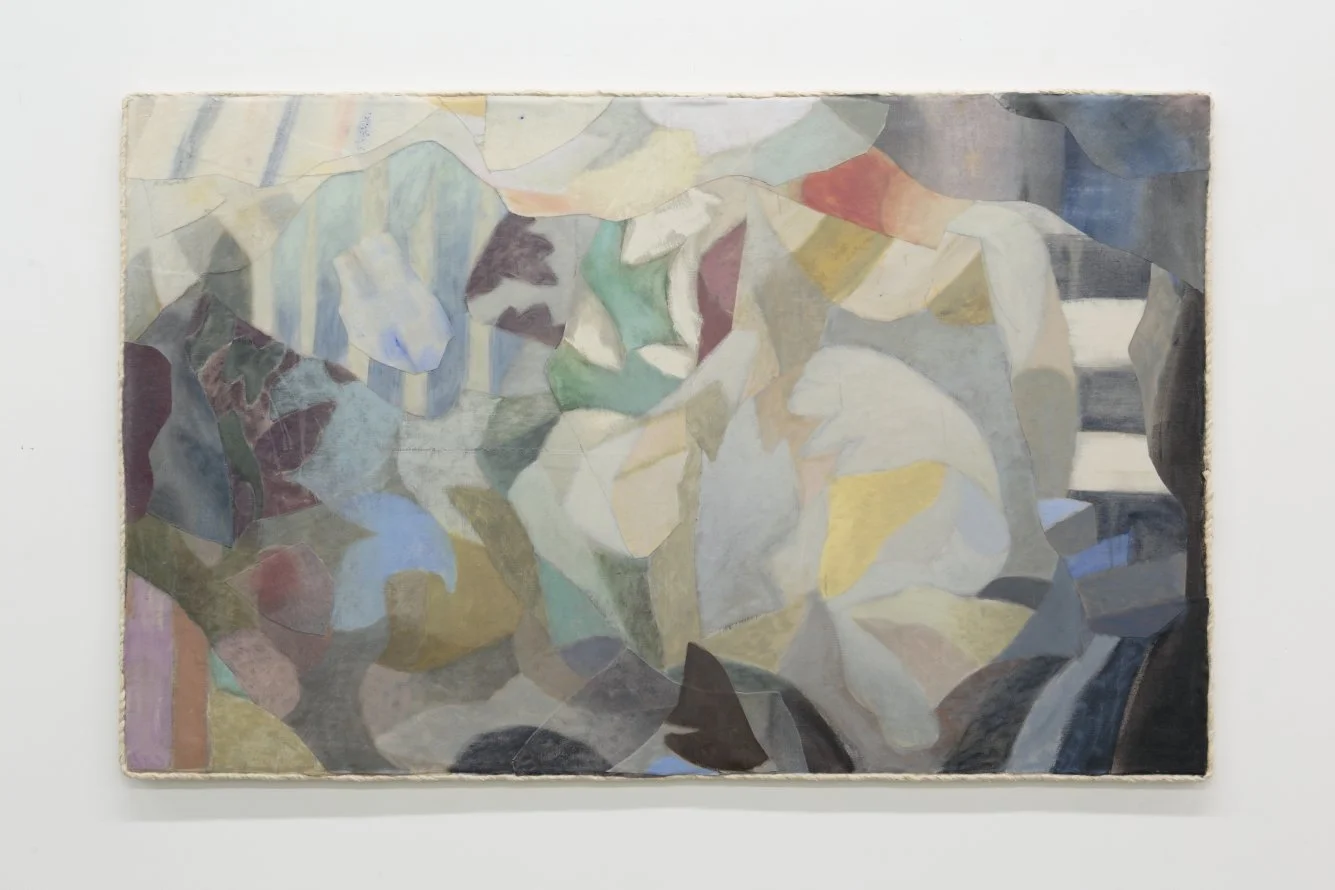
Low winter sun (walking off the polycrisis), 2026
acrylic, acrylic mediums on linen, canvas, calico, 104 x 165 cm
EXHIBITED WORKS



Photography: Tim Gresham