
IN THE STUDIO WITH
NICHOLAS MAHADY
JANUARY 2026
A conversation between Nicholas Mahady and Daine Singer, in the lead up to his exhibition, Pressure, on view from 7 February until 7 March, 2026.
Photography by Nicholas Mahady, portrait by Bec Martin.
Happy New Year Nick. It’s lovely to be working on this show with you, following working together previously at the gallery in various roles. We first met when you showed as an artist in New Photographers (2024), and then joined us at the gallery in an administrative role, so I think you will probably bring a quite different experience to this show than most artists. Has the experience of working on the ‘other side’ changed your approach to exhibiting?
Yes, this feels like quite a full circle moment. I'm really excited to show these works, some of which I’ve been sitting with for a couple of years, and some of which are much newer, taken in the last few weeks. After working at the gallery I have a familiar relationship to the space. I’ve spent so much time thinking about how other artists could show there, I felt especially comfortable making decisions for my own work, having already considered all kinds of possibilities. There’s an ease and intuition to the hang.
Lock Picker 01, 2025
Tell me what the lock signifies for you?
A while ago, when a friend of mine took up the hobby of lock-picking, I started thinking of how keyholes function as a kind of lens. Picking a lock and looking through a keyhole felt like an interesting trope for their connection to voyeurism, desire and privacy. Often the objects I photograph are points of entry into spaces that are obfuscated.
For this show, I was interested in how directly the locks could address accessing something abstracted or hidden. The locks that I’ve documented are transparent; their internal mechanical systems, springs, pins, and chambers are all exposed. Locks are, of course, a symbol of love—love locks attached to bridges and fences—and lockpicking became a way of tampering with that symbol.
It’s somewhat unusual for artists today to work so directly with symbols of love. This act of lock-picking seems both romantic and vulnerable (unlocking a heart), but also destructive (the breaking of a heart). Do you think we could also read it as violating a boundary, a transgression of safety and security?
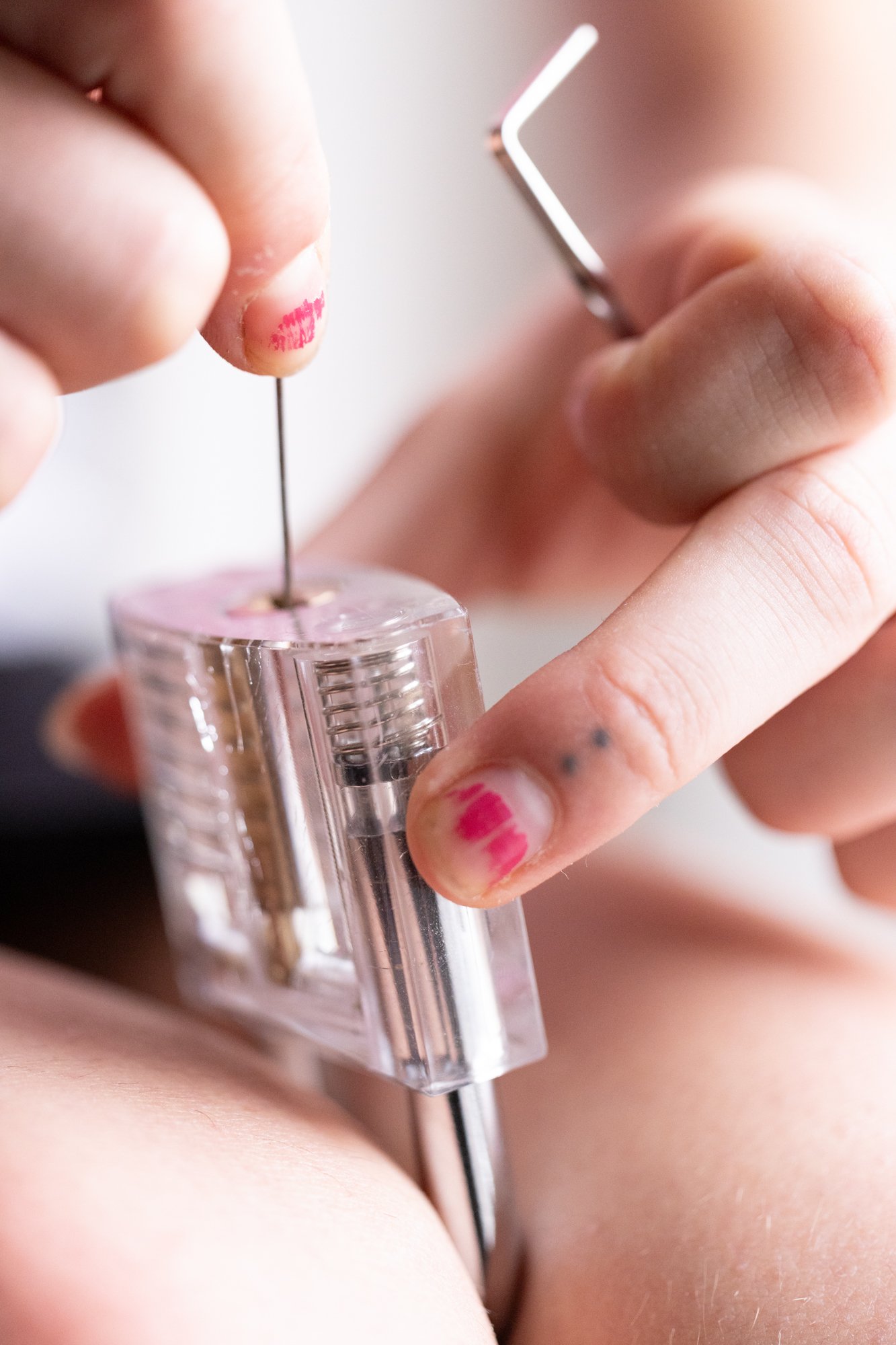
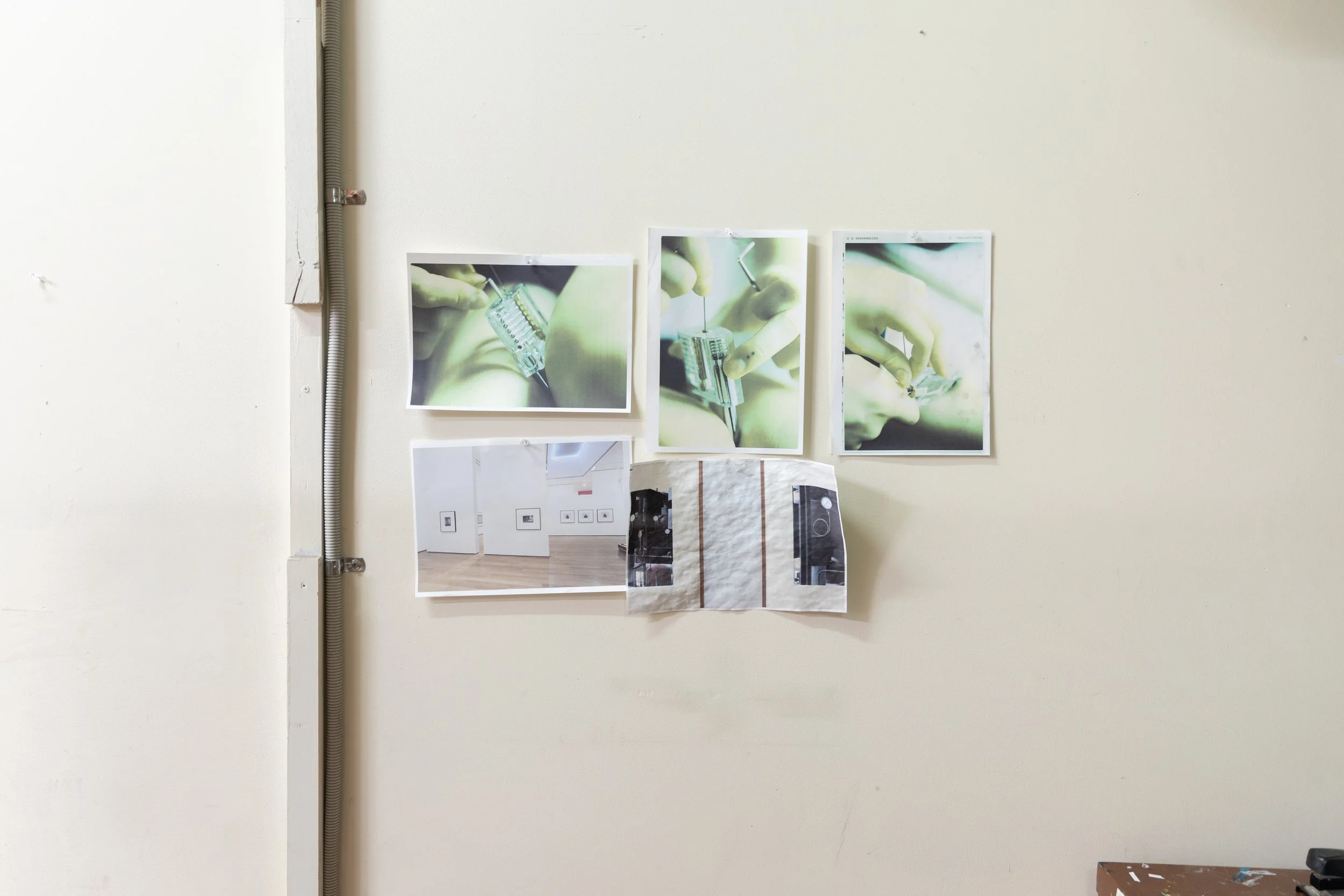
Lock-picking is inherently a form of trespass, though practice locks are designed to be tampered with and opened. In a way, the object in Lock Picker 01 is simply fulfilling its core purpose—the tampering is nondestructive. The photograph carries a sense of lightness and optimism through its brightness and colour palette, which softens the feelings of violation usually associated with the act. My sense is that the transgression is tempered by the safety of the context, the lightness and optimism of the colour palette, so the image feels natural and playfully romantic: the chipped pink nail polish, the improvised bobby pin.
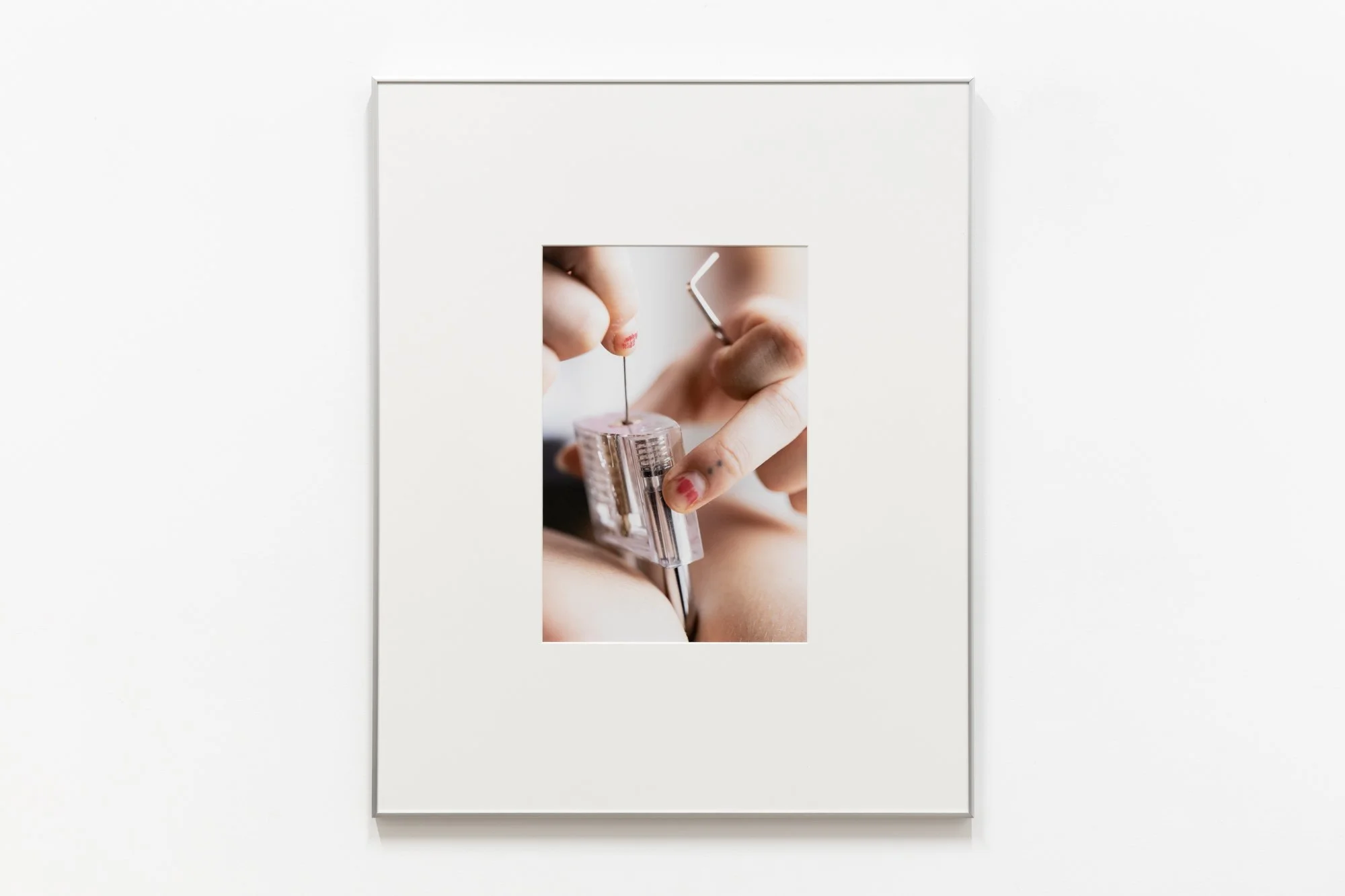
Lock Picker 01, 2025
There is also the boundary violation of the self and other, and the interior self and exterior skin: the internal mechanisms exposed as analogous to the exposed self.
Absolutely, I’m interested in playing with what should be shown, concealed and protected. My photographs at Hyacinth were of excavated pipes—again, objects that are normally unseen.
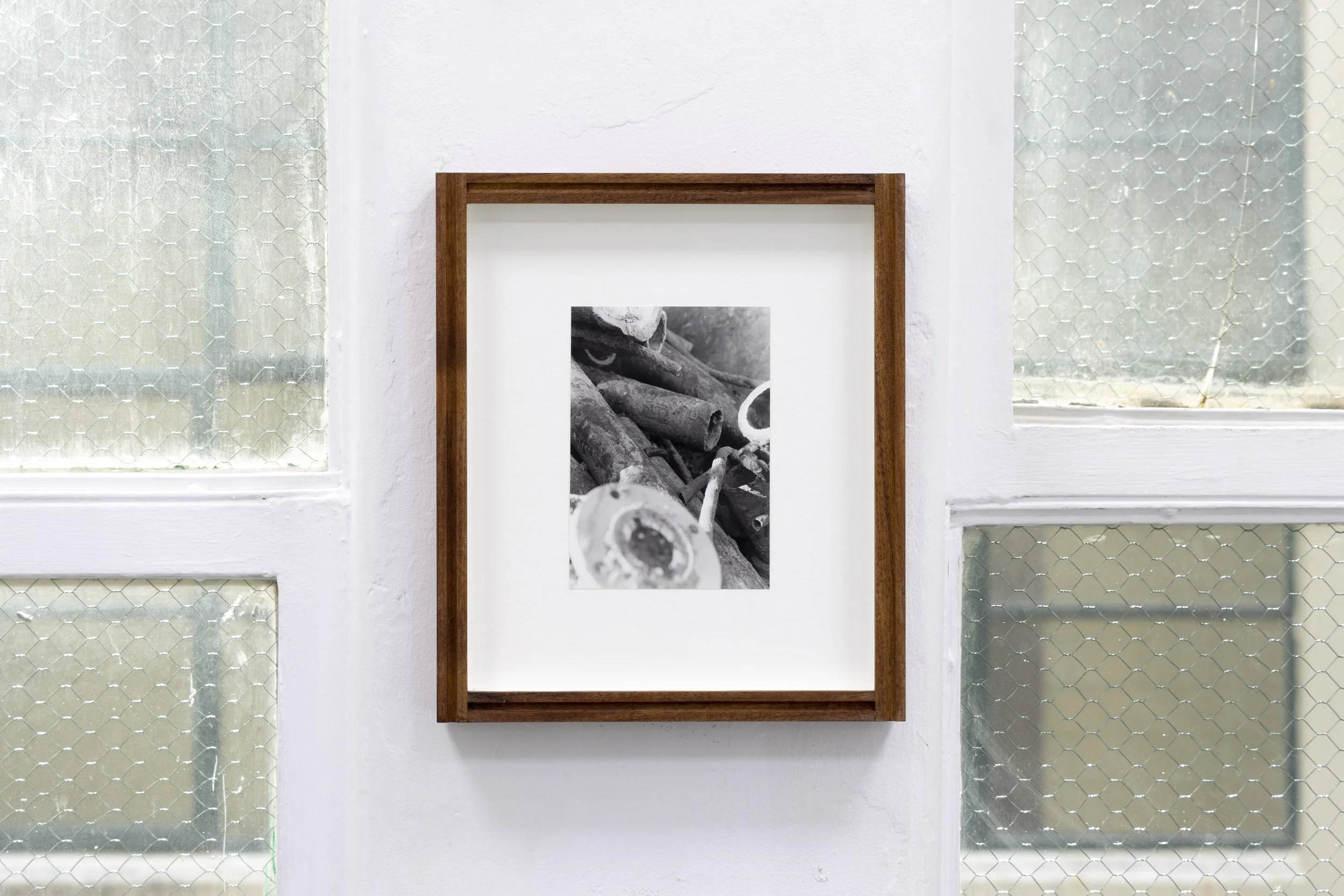
Carrier 3 (A web of sewer, pipe, and wire connects each house to the others), 2023, Hyacinth Gallery
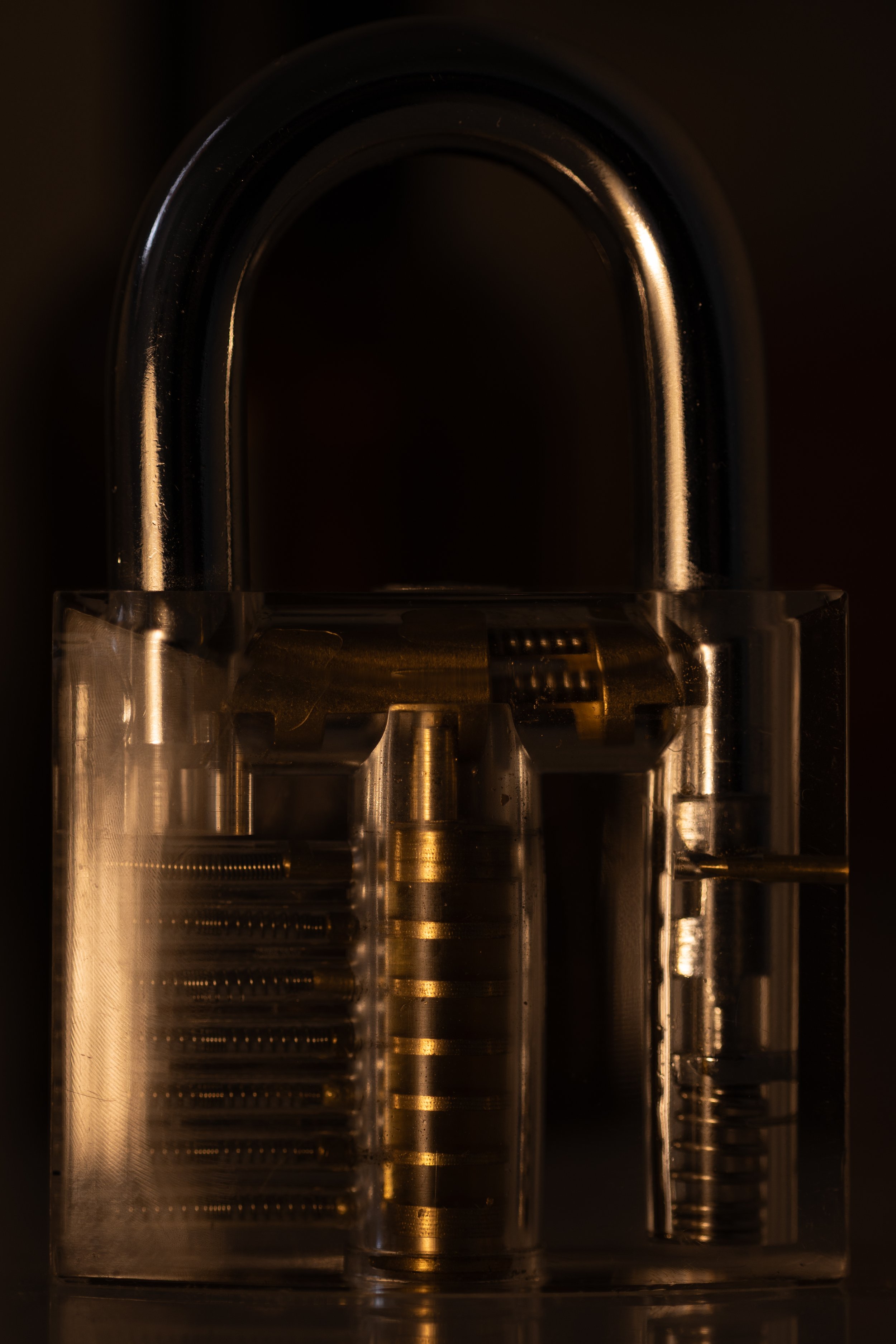
Lock Mechanism 01, 2025
The two Lock Mechanism works, which you described as quite sci-fi, seem lit and shot in the manner of 90s commercial photography, or even stills from an 80s erotic thriller. You’ve employed the alluring tricks of product photography in a quite stylised way—certainly in a way that makes these ordinary objects disconcerting, eroticised objects of desire.
There’s a level of control and precision in my works, which amplifies the surface qualities of the objects and produces images that are seductively formal, while still maintaining a sense of distance. That allure is emphasised by the glossy, almost plastic, paper that I’ve printed on.
At the same time, most of the images document objects divorced from their own usefulness. They reflect on their own image-making—on the possibility, or impossibility, of function—leaning toward a kind of technical or existential abstraction. The controlled, over-stylised lighting never fully allows the object to settle into a single, stable reading. The distance is then partially closed through details that don't normally appear in advertising photography: fingerprints, scratches, and signs of human touch on the clear plastic casing of the locks, reintroducing scale and intimacy. Desire and romanticism are inherent in the work, but I am also trying to move through that desire.
The Lock Picker work has a different eroticism to the gloss of the Lock Mechanisms. The contrast of the lock’s sheen and the chipped nail polish makes me think maybe of Rodland, of the small detail that upsets and unsettles.
I feel like the nail polish sort of makes the image. It gives a nod to innocence and throws the image slightly.
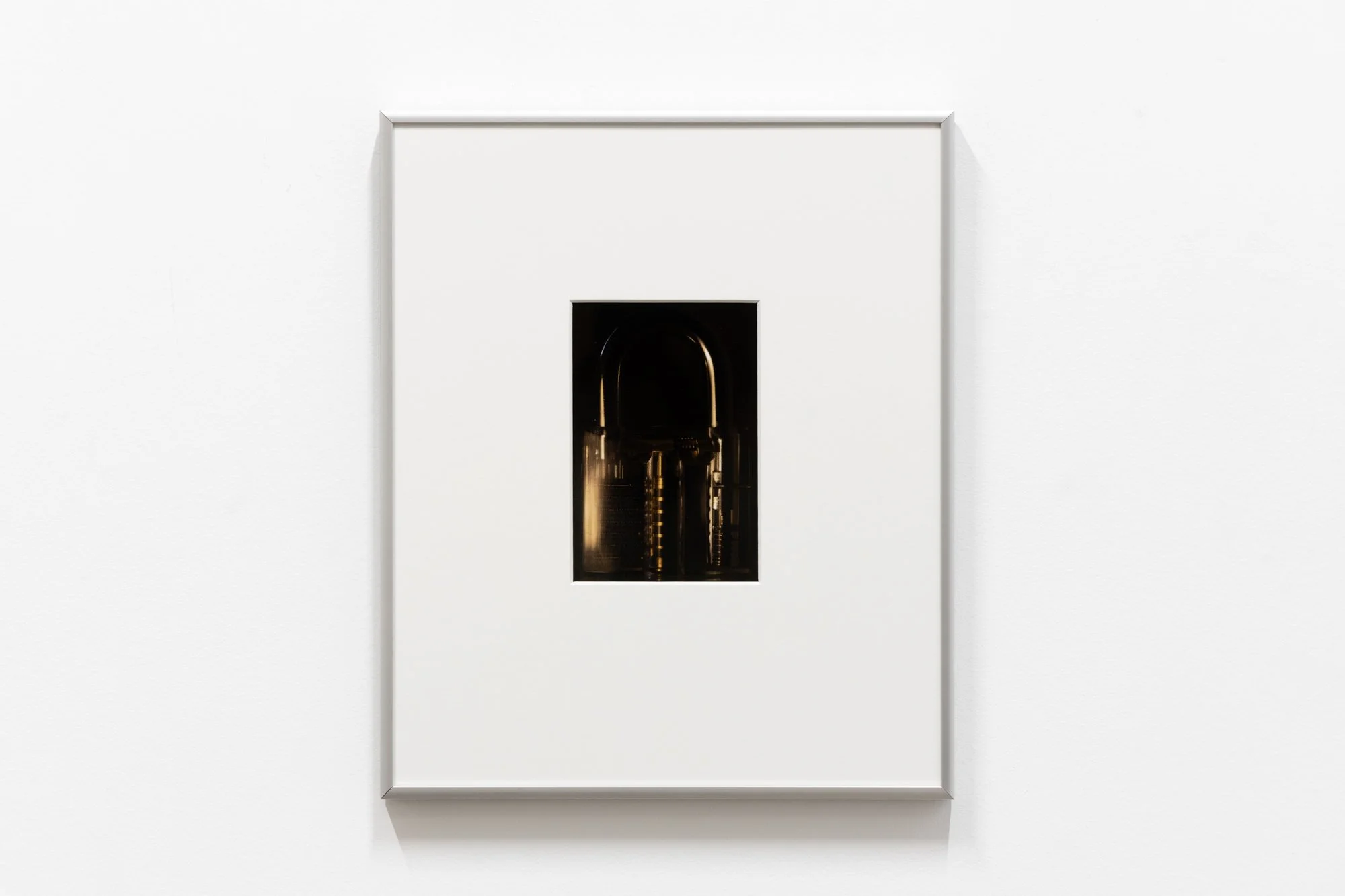
Lock Mechanism 01, 2025
Talk to me about the cropping across these works. There is an extreme closeness and intimacy, and also a decontextualisation?
I generally try to take away all but the most essential context of the subject I'm photographing. When I was taking photos of glove compartments last year, I physically removed them from car bodies and brought them to my studio. In the lock-picking image, the same impulse is carried through the use of macro lens and shallow depth of field. The closeness directs a focus on the connection between the lock and the body, particularly the microgestures used to pick these locks. The framing of the image draws attention to the suggestive handling and clamping of the lock between the legs, while still withholding any broader narrative context.
And the pressure gauges?
In the studio I keep a list of objects I’m interested in photographing. I began documenting plant rooms while working at museums and institutions, as a way of thinking through my own practice. While photographing TarraWarra’s plant room, I became interested in the looping forms of the pressure gauges—components connected to large machines that regulate the atmosphere of the gallery. These unseen systems of temperature and climate control suggest flows of energy, containment and regulation. The looping pigtail siphons—which are used to protect the gauges from high temperatures, ensuring a reliable reading—form patterns reminiscent of a viewfinder, echoing the lens-like quality of the keyholes. To me, the works function as seeing tools.
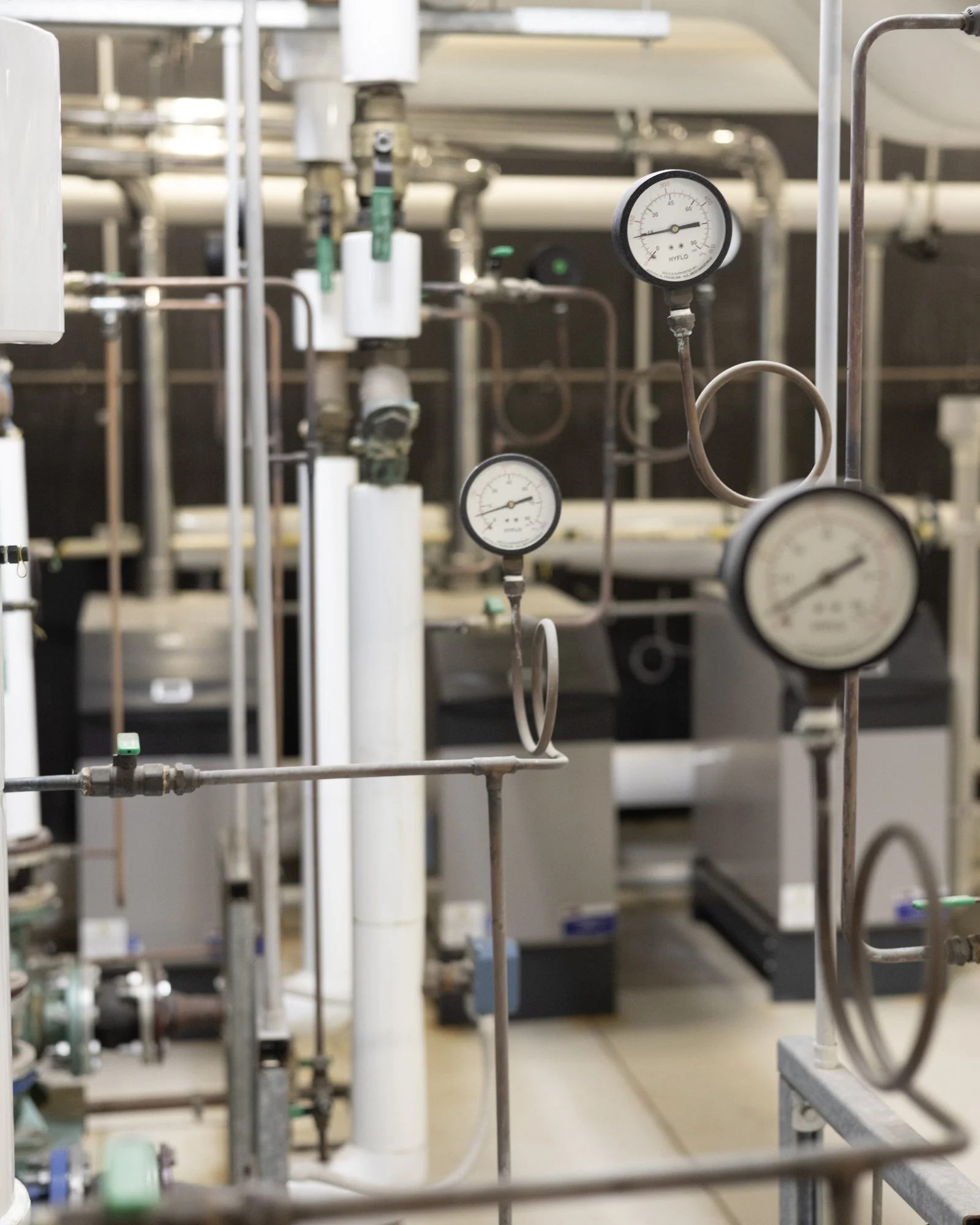
Pressure Gauge 01, 2025
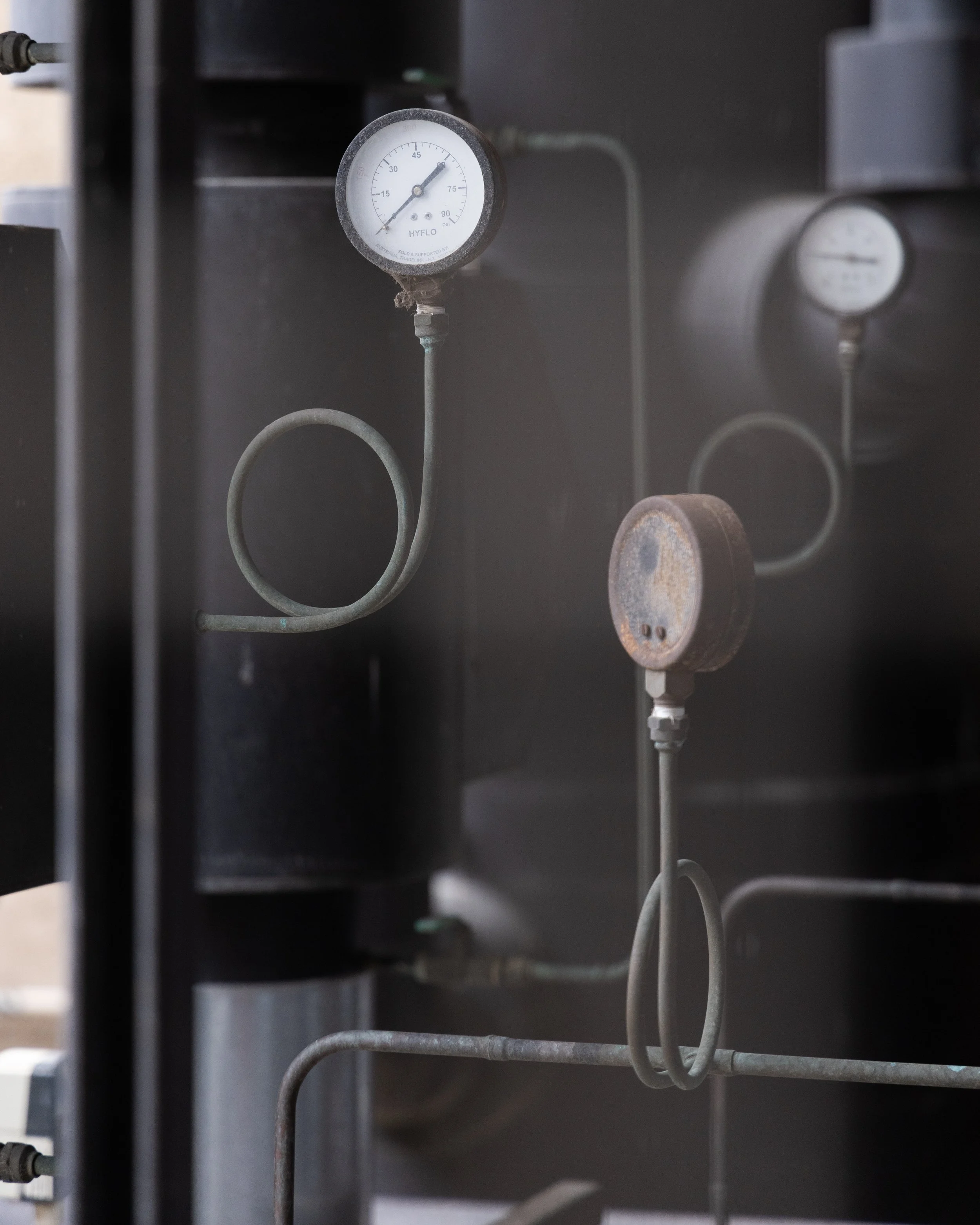
Pressure Gauge 04, 2025
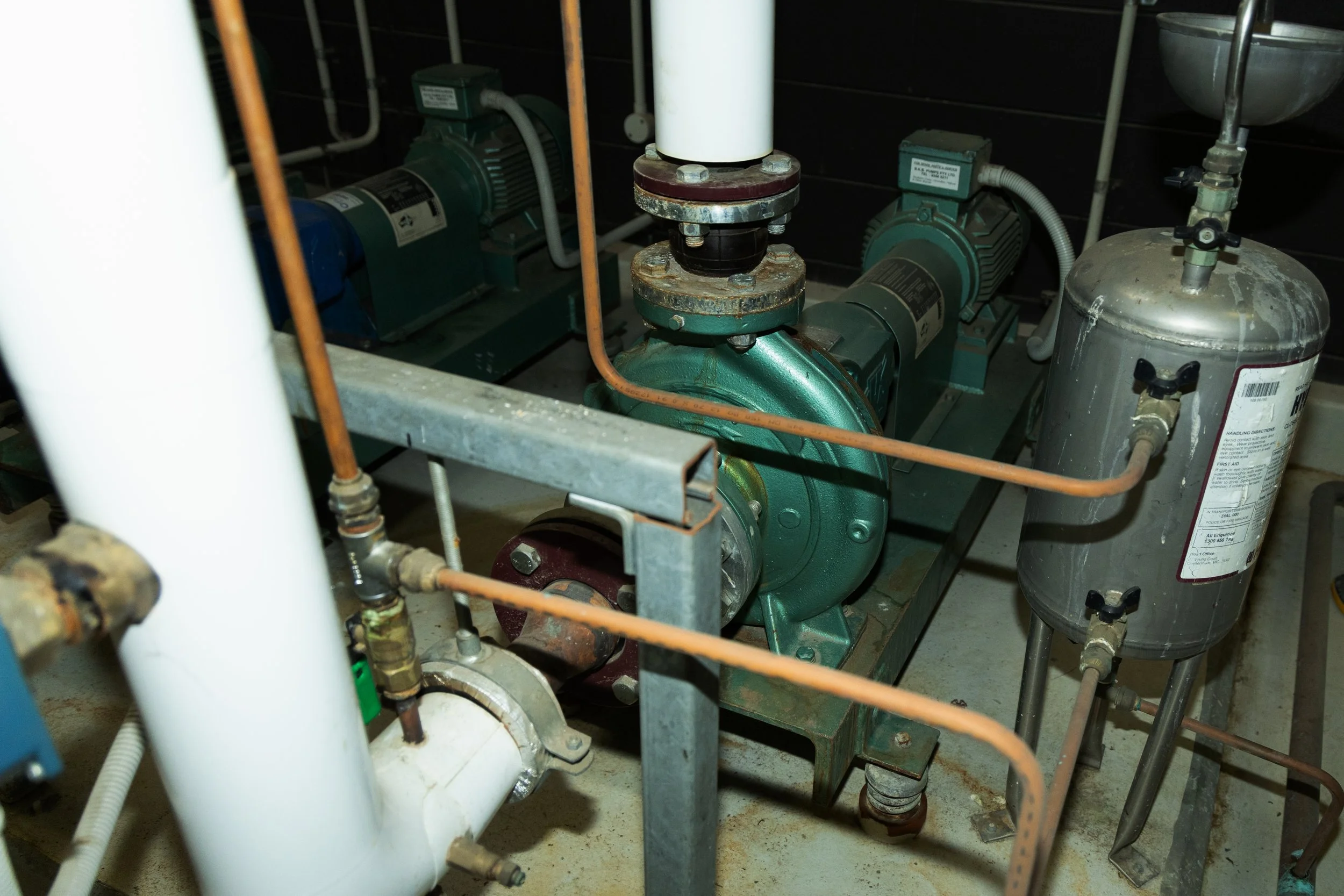
Plant Room, 2024
How do these two new series relate to the last series you exhibited, the lures [shown at Strawberry in 2025]?
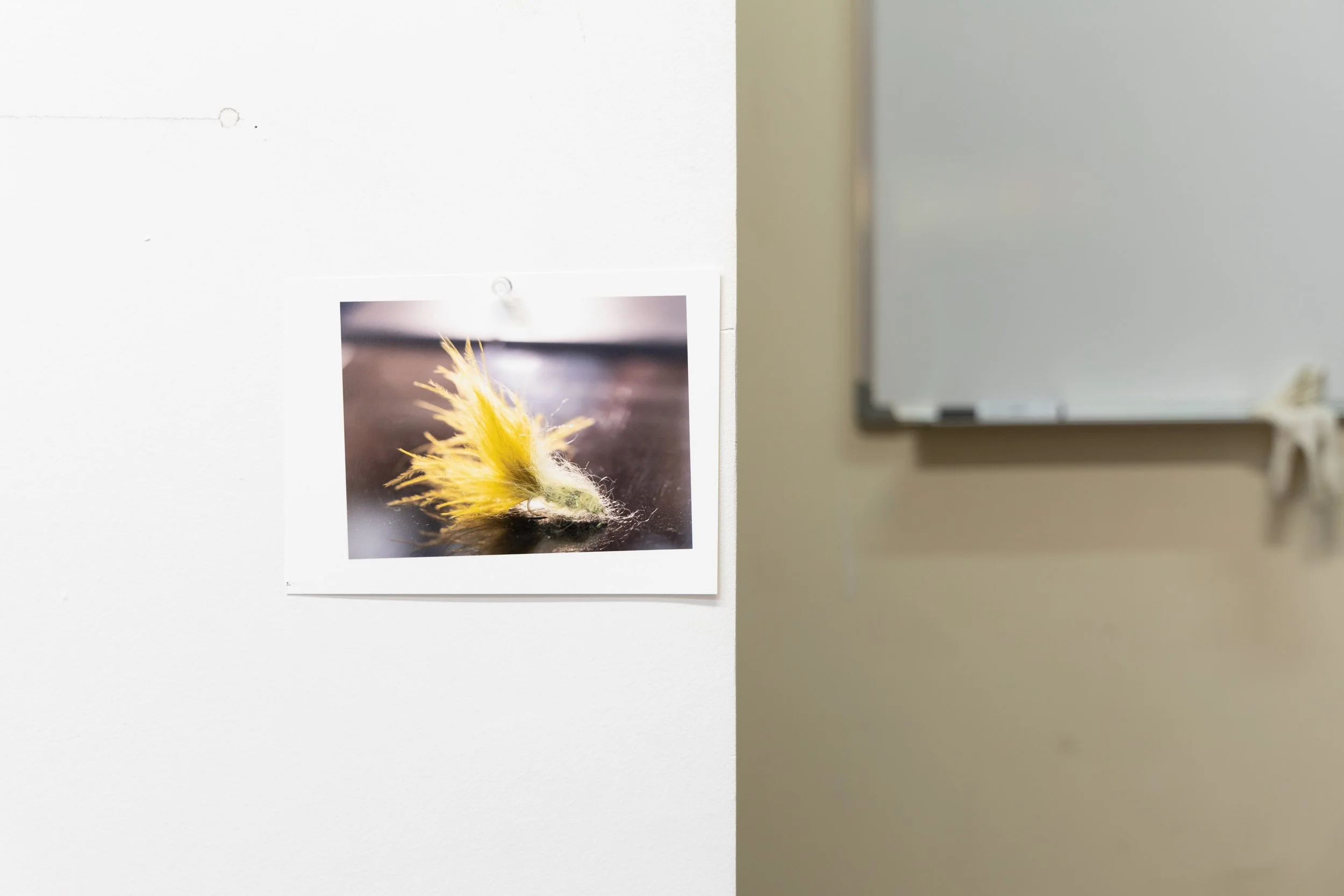
In a simple way, there’s a throughline in exploring analogy through inanimate objects—lures are suggestive even in name. The lures are a means to capture something, and so is photography. The initial idea for the locks came together when I was documenting a show at Strawberry. I was speaking about photographic tropes, thinking of my own interest in concealment, voyeurism and desire and how they can be a useful way of articulating larger, more complex ideas about image-making. Tropes can act as a useful avenue to expressing something deeply personal.
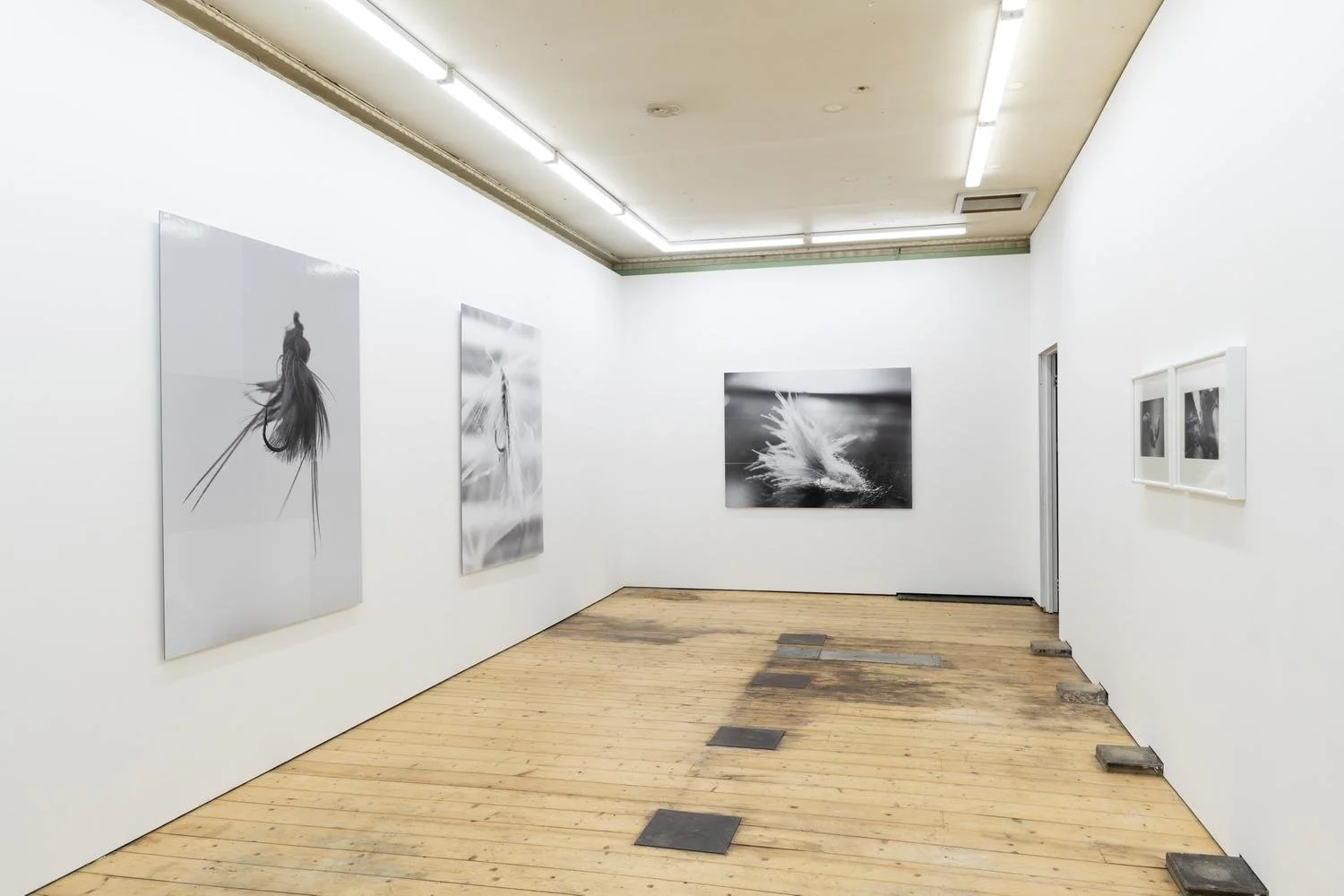
Trawler, installation view, Strawberry Gallery, 2025
It also occurred to me that in your interest in creating ‘cameras’ of other objects — say keyholes, lenses or eyes — you might be trying to remove yourself as photographer? Making a kind of avatar, if you will?
I'm interested in reproducing, or mirroring, the mechanics of the medium of photography within the image. You’re able to perceive a call and response between one apparatus and another.
Tell me what the description of romantic conceptualism means to you. I’ll admit, it took me time to see the poetry and humanity in the works — at first the photographs are quite cool, and their display is minimal. They can have an initial sense of reserve or clinicism.
I was introduced to the term in Honours by a supervisor of mine, Nicholas Mangan, while we were discussing Jason Dodge’s work and the poetry of his conceptual and minimal display. He showed me a book called Romantic Conceptualism, which makes an argument for the emotional and poetic within conceptual art—something rejected early in the movement. Last time you and I worked together on a show with my work, New Photographers, I was mentored by Hungarian photographer Marton Perlaki; we also talked about this idea of romantic conceptualism. Marton and I discussed the work of Daniel Turner; the emotional and poetic process of his minimal sculptures and paintings, as well as the objects’ sensitive link and connection to their own histories. I like to consider my work through a similar lens. I'm interested in being able to place emotional weight in these seemingly emotionless objects.
Let’s talk about framing. I tend towards the viewpoint that if you’re looking at the frame then there is a deficit in the work, and usually advise going for a subtle option (unless of course the work is about the framing). But gosh Nick, you do love a mountboard. And I think you might spend longer deliberating on framing subtleties than on shooting! Tell me about your framing, and why you choose it.
I’m making images which have a physical presence in the world. I’m interested in the idea of photography as an object; this is integral to my practice. The frame functions to house the image, protect and archive it. It’s another way I explore the tension between the hidden and revealed. The frame delineates the images from other artworks that it’s in conversation with or alongside. Because I approach the photograph as an object, I weigh those decisions heavily.
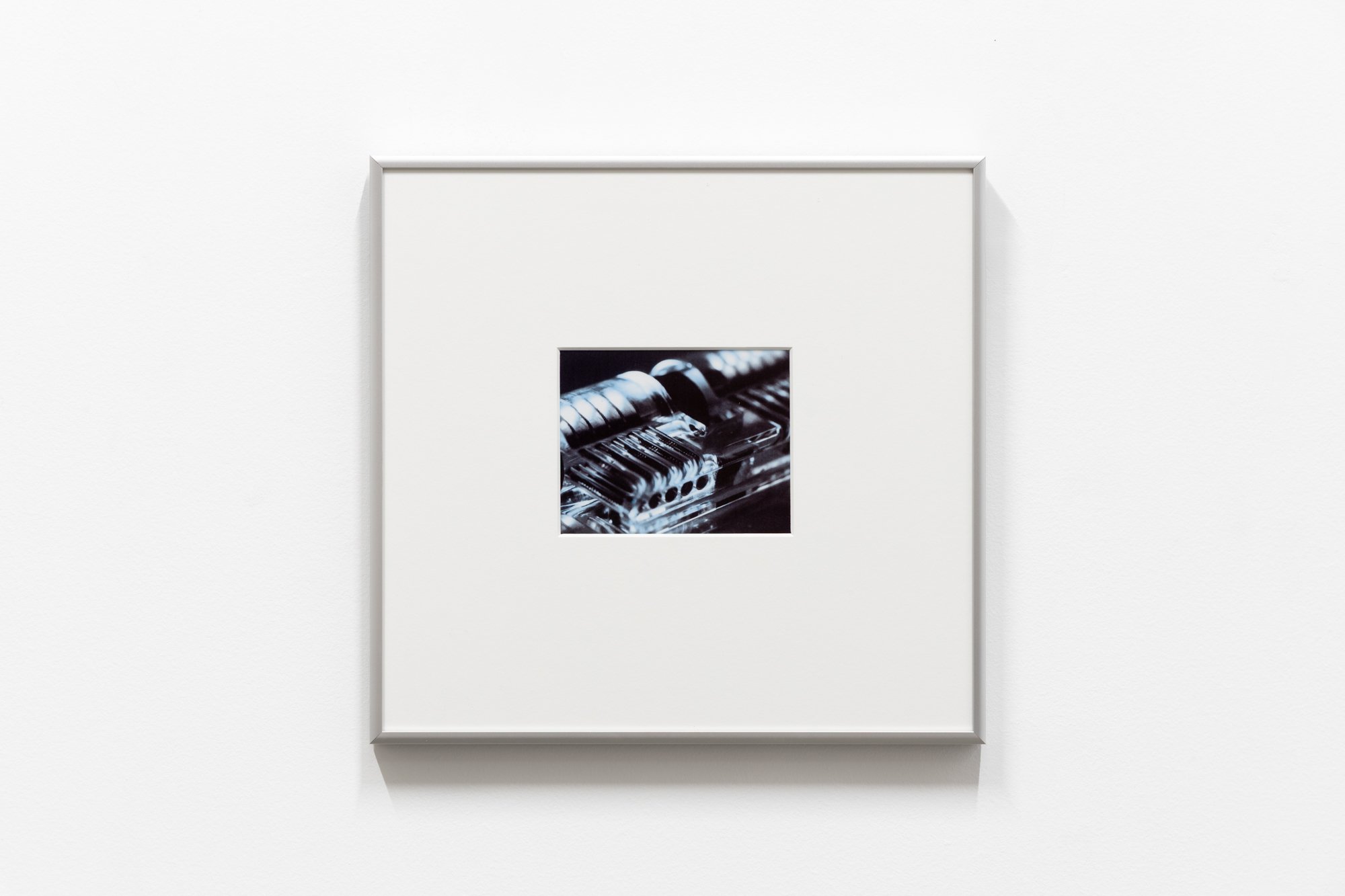
Lock Mechanism 03, 2026
What influenced you to become an artist?
When I was a boy I was obsessed with drawing machines. I wanted to drive bobcats when I grew up.
And what artists have influenced your work?
I’m particularly drawn to Eastern European postwar photography. Miroslav Tichý is someone I keep coming back to—there’s something in his embrace of obsession and necessity, and his lack of interest in polish, that I hope to carry into my own work. Artists like Reinhard Mucha and Paul Thek have been important to me for a long time. Lisa Robertson and Bas Jan Ader come to mind when I think of how sincerity and fragility can operate as structural forces within artwork.
Tell me about your studio.
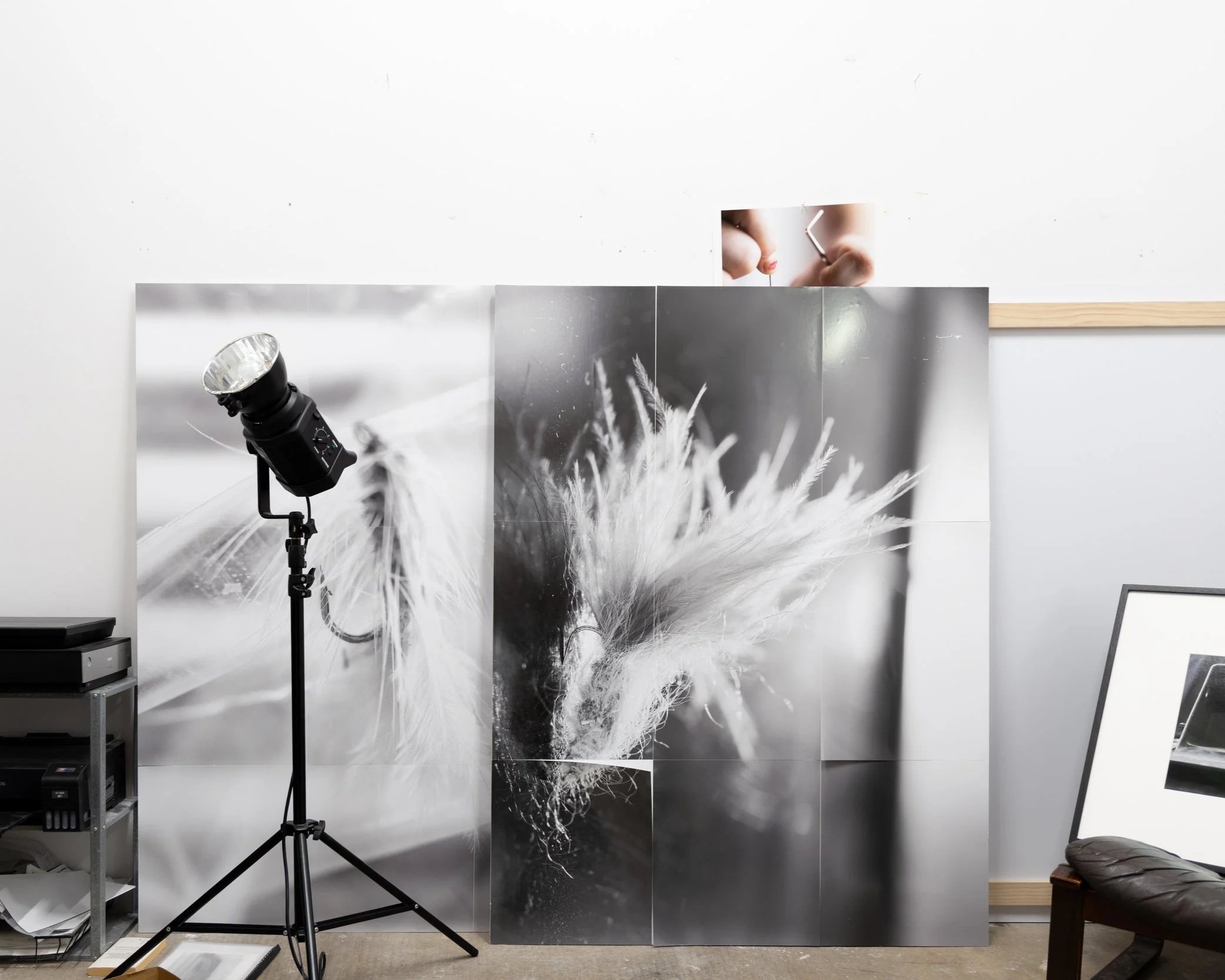
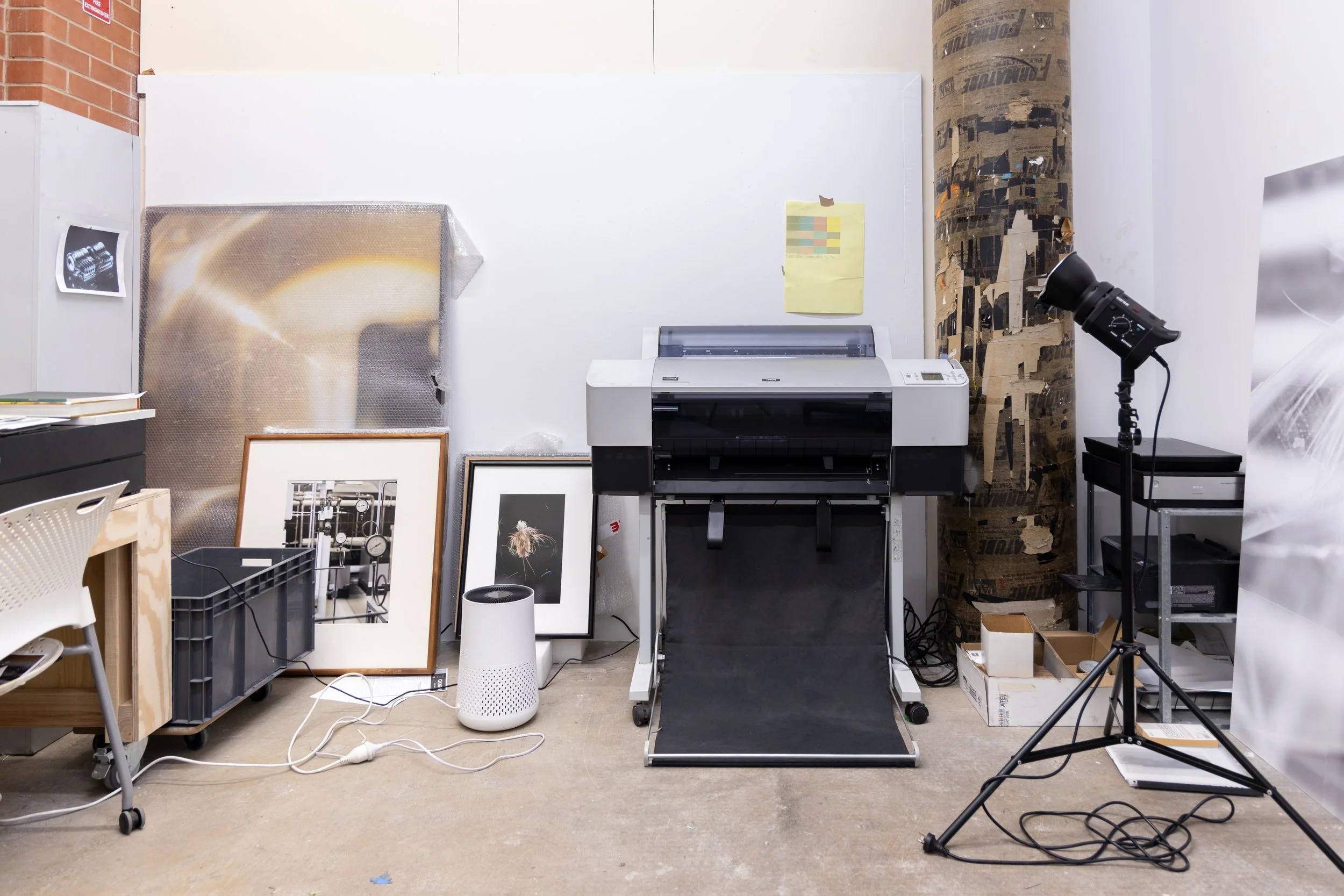
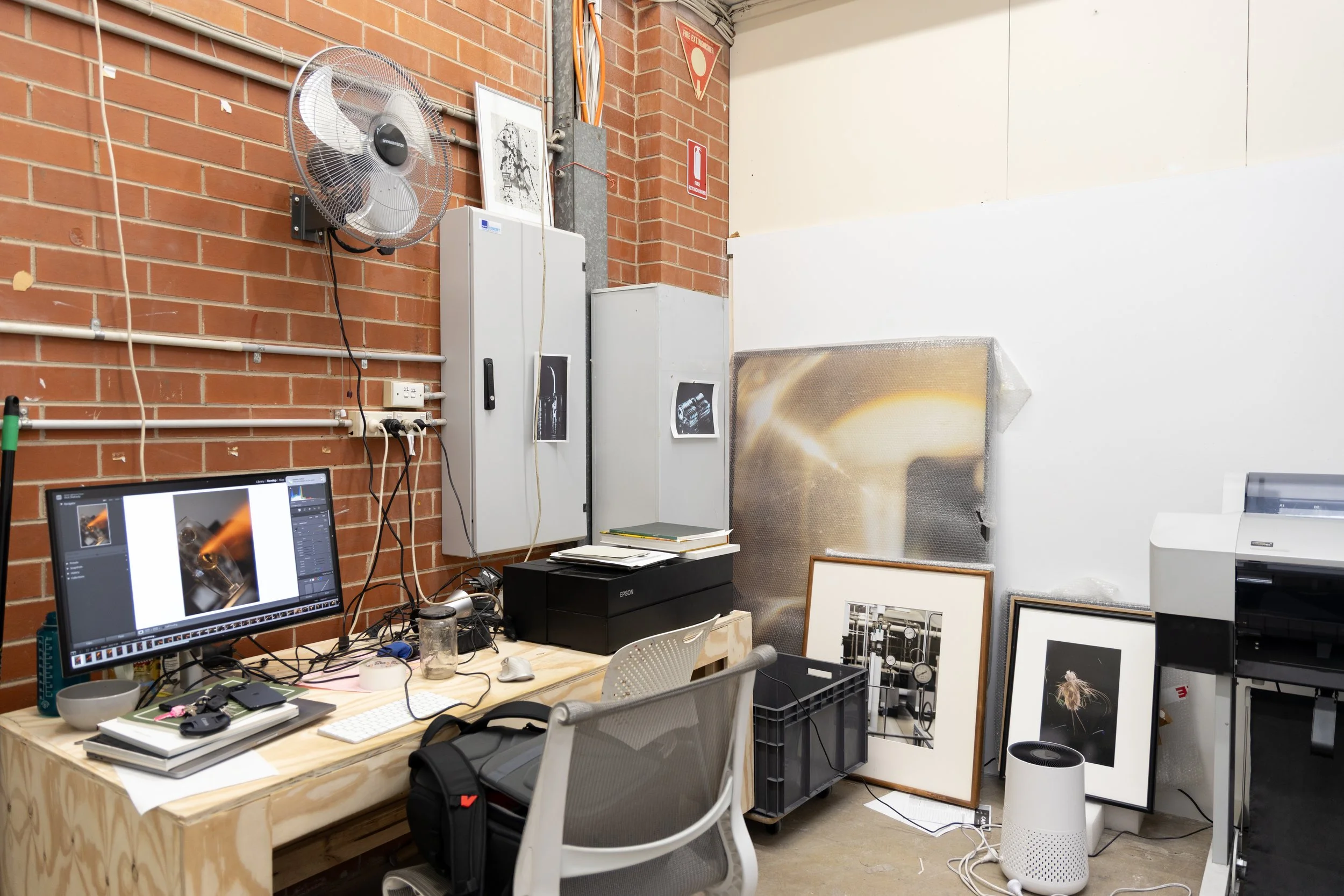
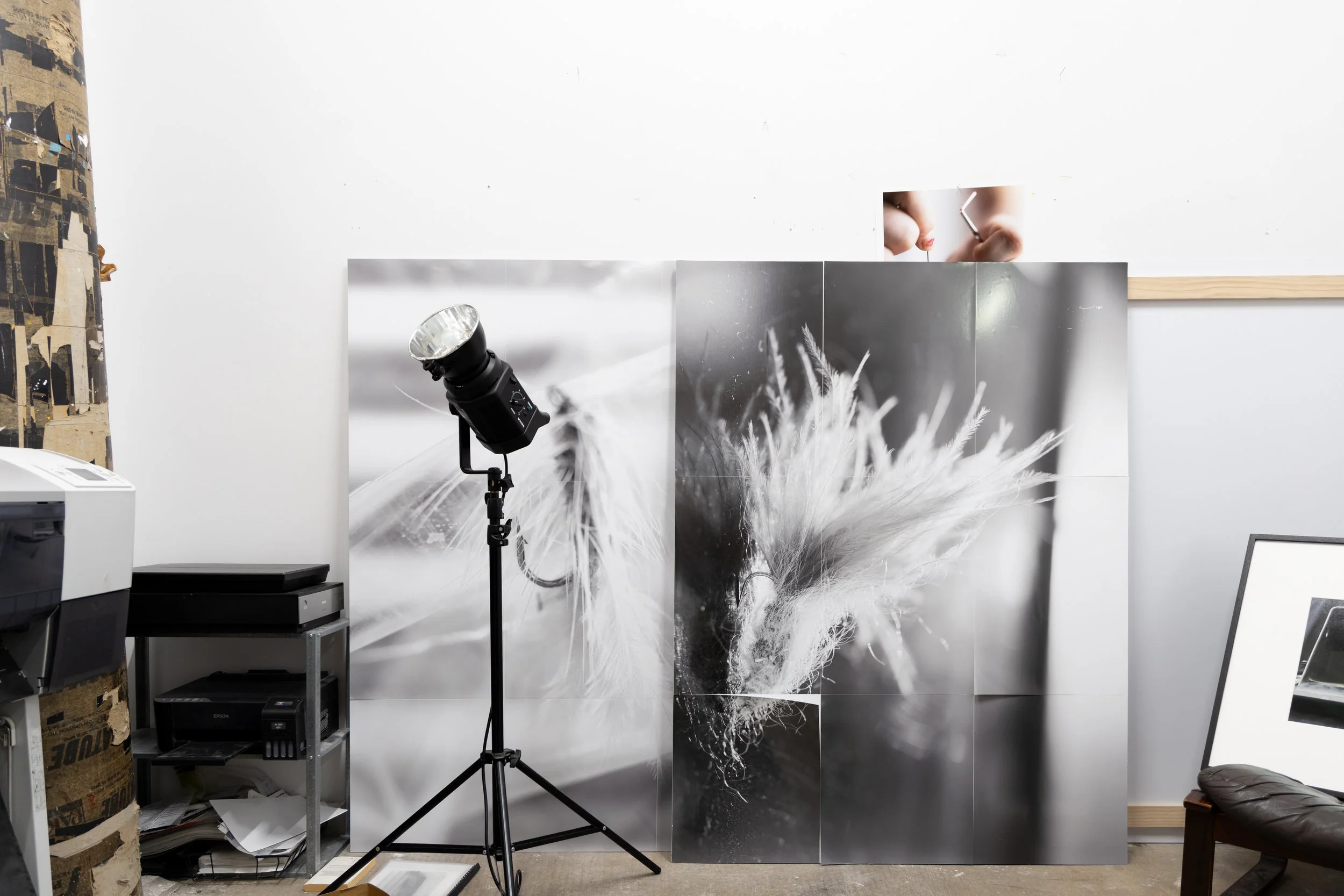
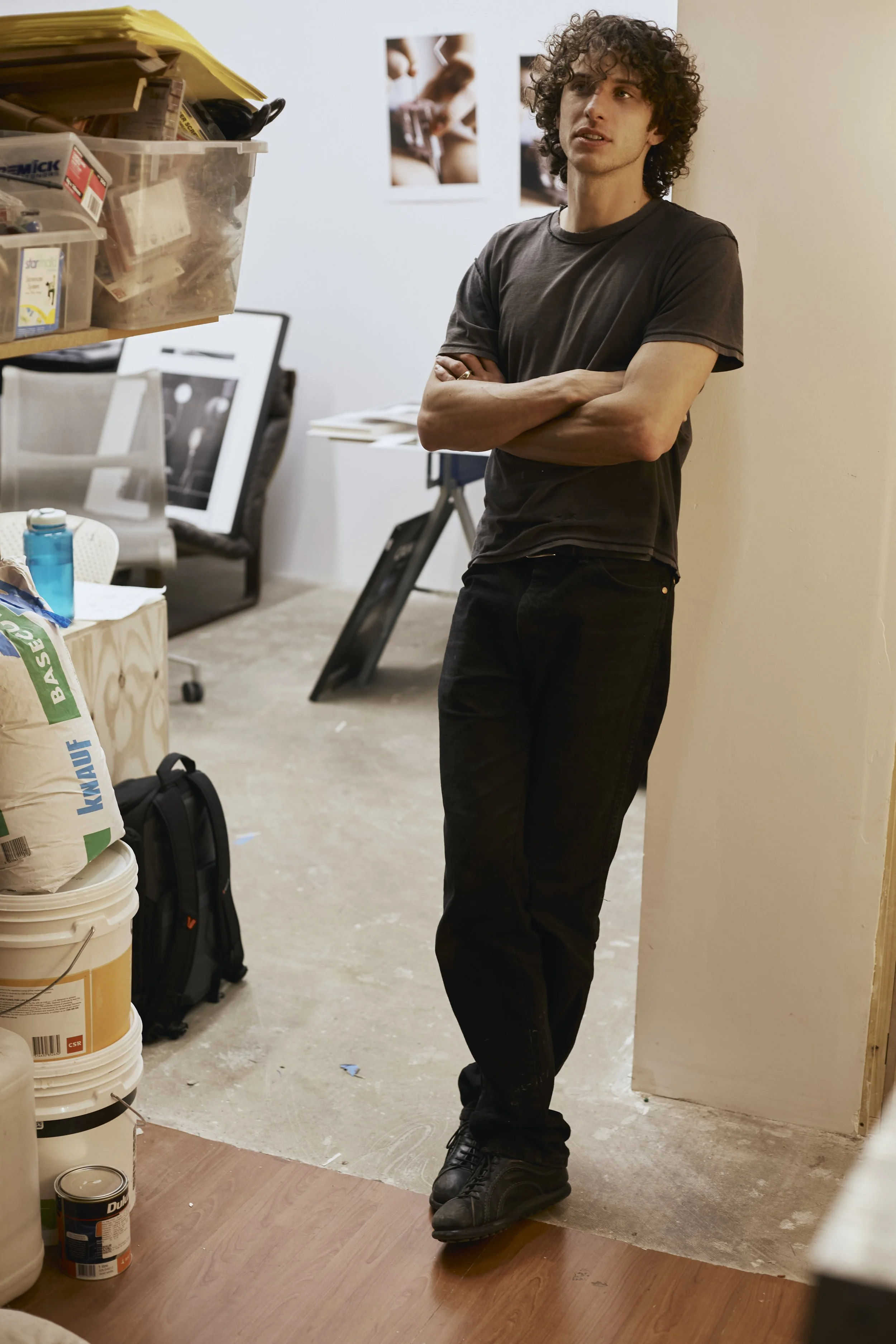
The studio complex I work out of was started by friends of mine, Hugo Blomley and Clara Joyce. I worked with them on the build, so I was able to make a mock gallery in my studio. My process when making work involves lots of test printing at different scales and playing with arrangements of images. I make decisions through actually installing and hanging the work before exhibiting.
What do you shoot on? And what stock do you choose? Are you doing your own printing?
I shoot mostly on a full frame digital Canon camera, the same camera I was using at art school, when my practice started leaning towards photography. A few people I know share the same lens mount, so we’re able to share lenses. I also have a Nikon F for shooting analogue, and have a medium format camera on loan which I'm excited to use a bit more. This is the first time I’ve shown only digital images.
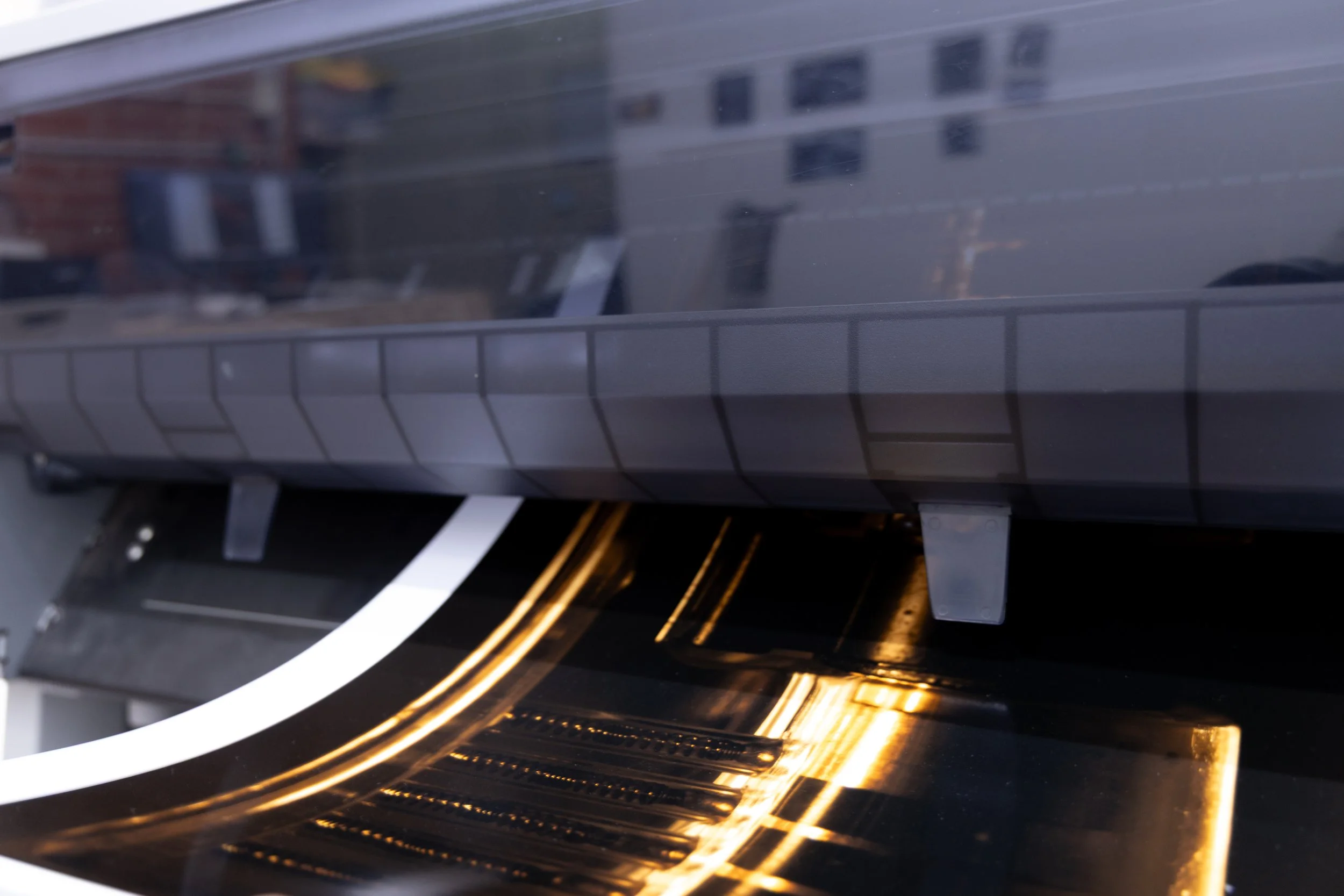
I mostly do my own printing. I learnt basic black and white darkroom printing in Honours, so when I’m able, I do that for shows. I bought an Epson inkjet desktop printer when I finished Honours, so most of my printing is done on that.
A brief list, what are you currently:
- reading
I reread Michel Houellebecq's The Map and the Territory before this show. Obviously a bit eye-roll at this point, but I love the indulgent portrait of an artist and found the book more moving this time around.
- watching
I went to see Sentimental Value recently, which I thought was really great. I particularly liked the opening poem/sequence about the house. It reminded me of David Berman’s poems which I feel very attached to.
- listening
Been listening to a lot of guitar music again; Sparklehorse, Pete Murray (so beautiful - one my favourite songs atm), Robert Lester Folsom and the recent Mouseatouille album.
Nicholas Mahady, portrait by Bec Martin