Zoë Croggon
asleep on watch
8 November - 20 December 2025
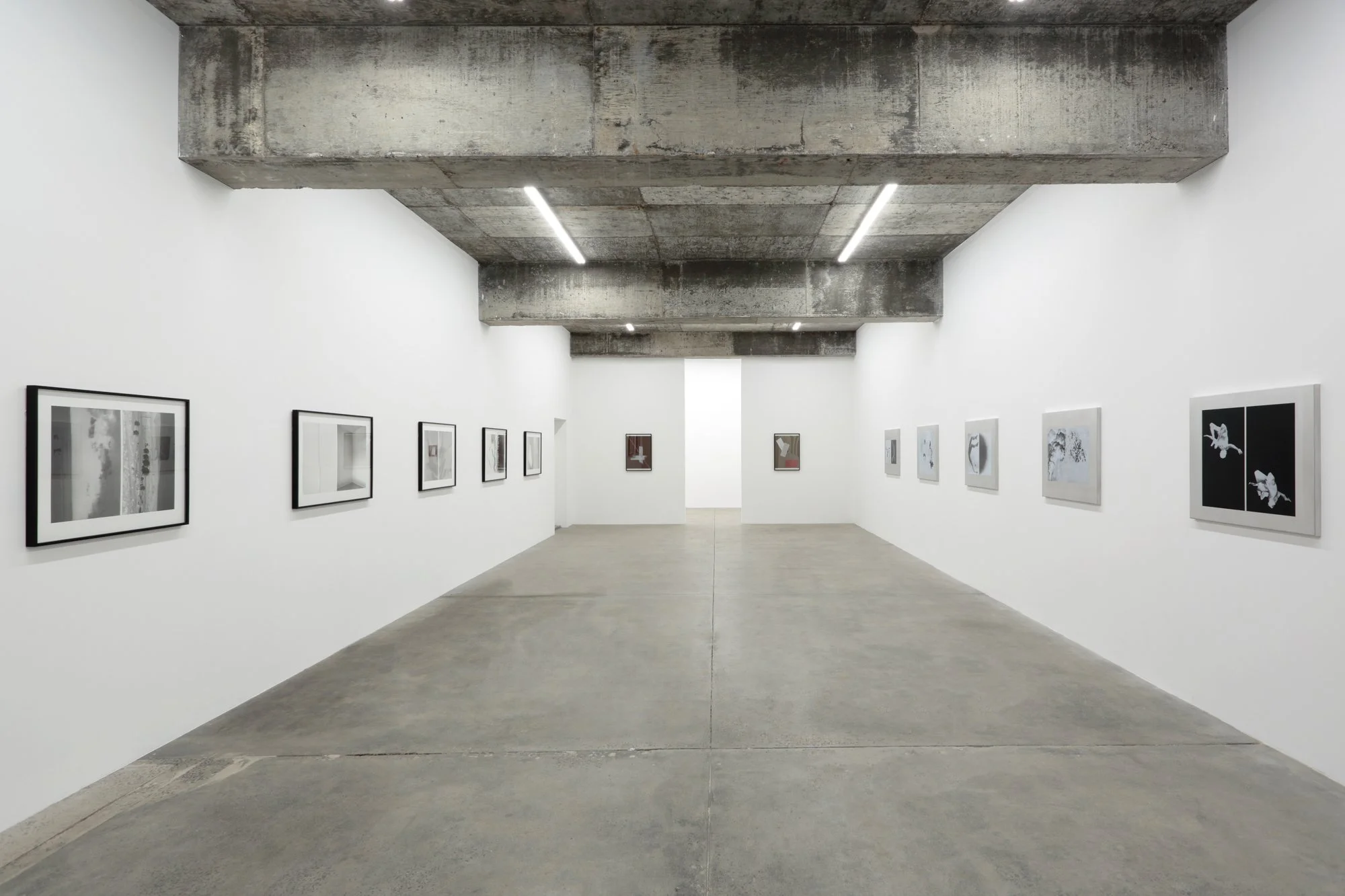
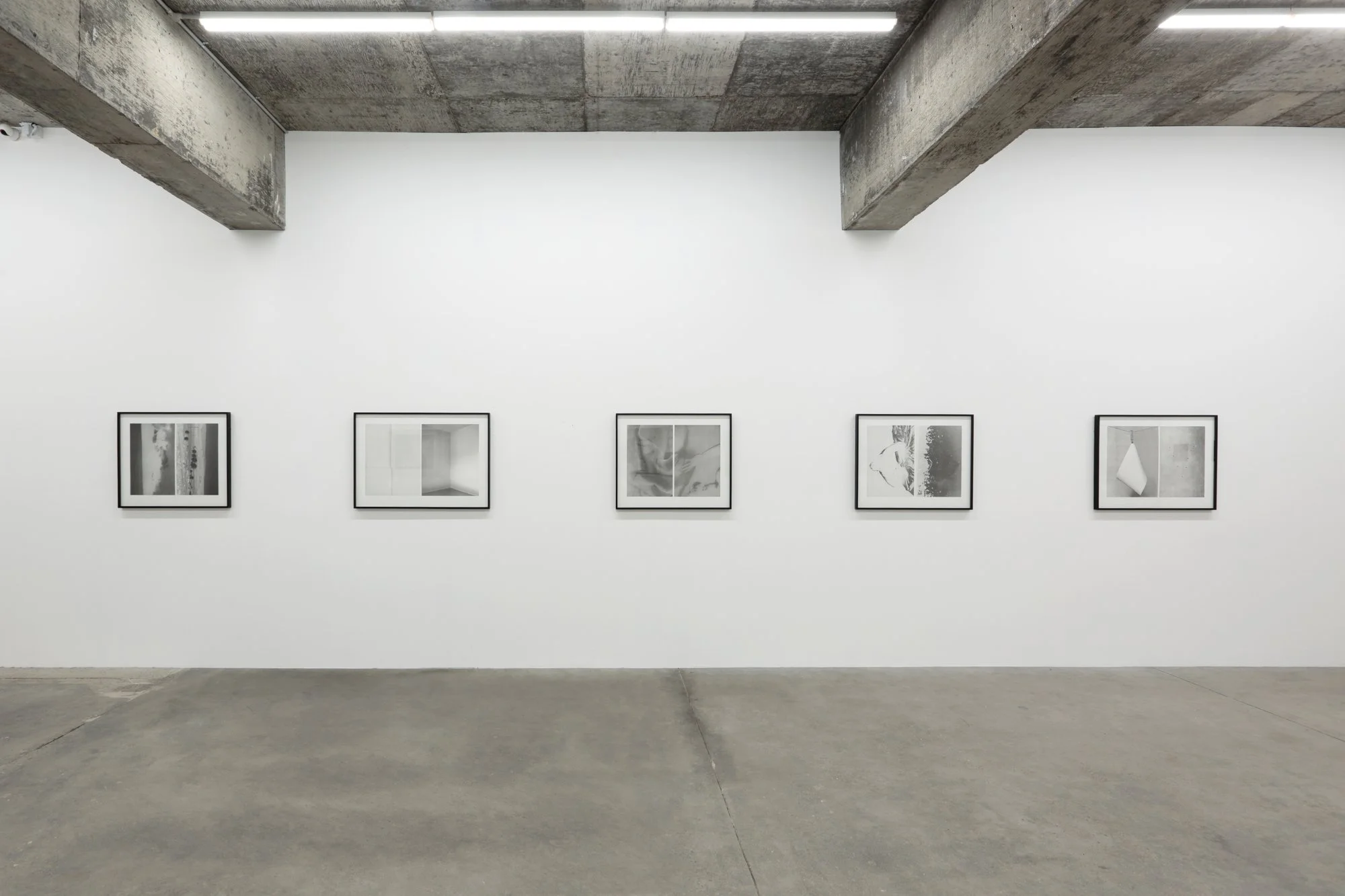
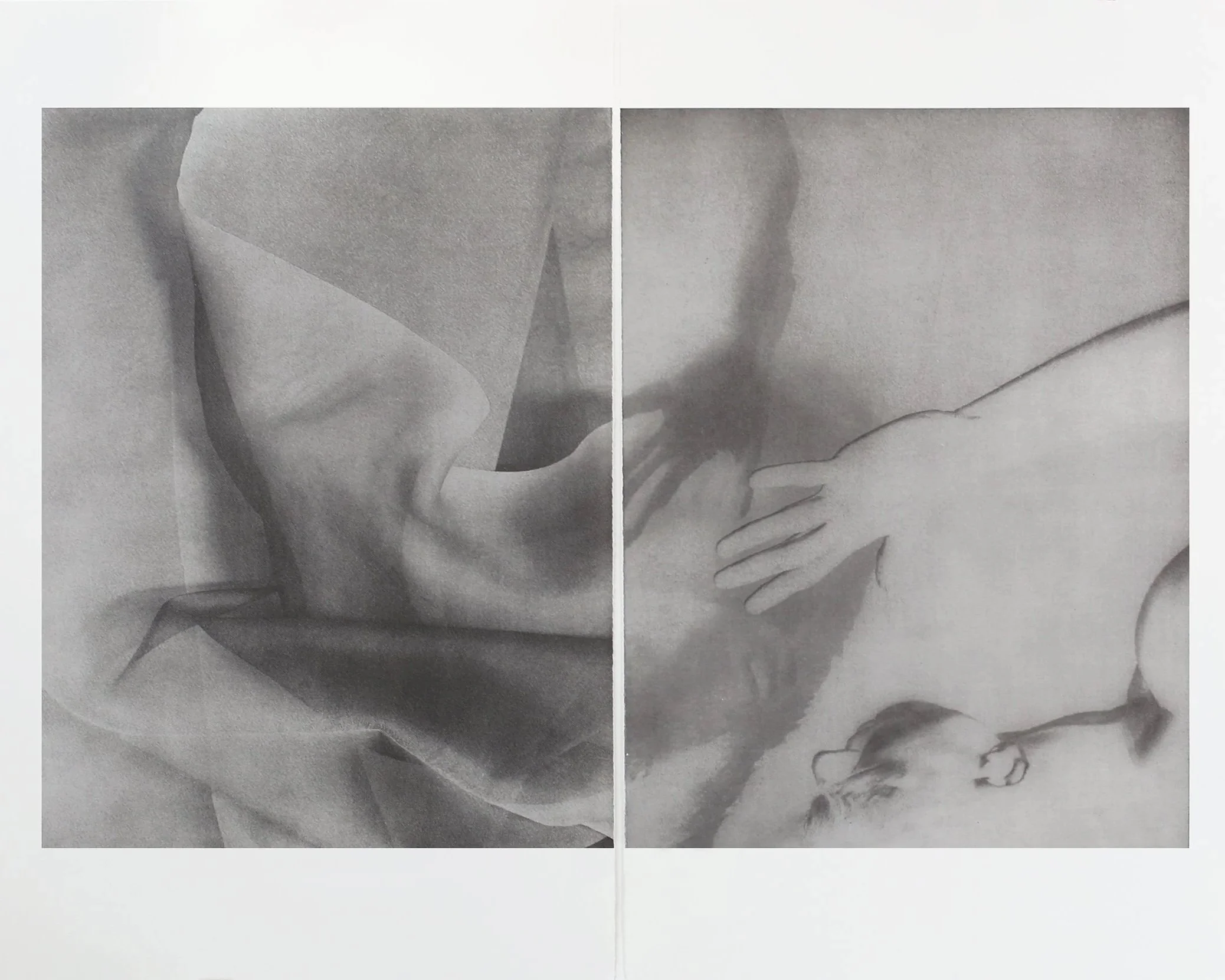
Asleep on Watch considers photography’s role as an instrument of surveillance; personally, politically and militarily. Coupling found photographs with footage taken on a domestic drone, this body of work questions the insidious inversion of public and private through the fixed gaze of the camera. Centering on the joint Australian-United States surveillance base Pine Gap, located in the Northern Territory / 18km from Alice Springs, Asleep on Watch asks where we draw the line between self and other, public and private, complicity and resistance.
-
Naarm/Melbourne-based artist Zoë Croggon works with sculpture, video, drawing and primarily, collage. Her practice considers the relationship between the kinetic body and its surroundings, contemplating the role we play in our environment and how deeply our surroundings inform the cadence of our lives. The body has long been the focus of Croggon’s work, presenting the trained body and modern architecture as fascinating counterparts; each unyielding, severe, and rigorously functional in form. Created primarily from found photographs, her works study texture, light, and form, examining the possibilities and limits of pictorial abstraction and metamorphosis.
Zoë Croggon completed a Bachelor of Fine Art from the Victorian College of the Arts with First Class Honours in 2011. She has held solo exhibitions at the National Gallery of Victoria, Miart (Milano), Gertrude Contemporary, Peckham 24 (London), Silver Eye Centre for Photography (Pittsburgh), Mornington Peninsula Regional Gallery, Perth Centre for Photography, the Melbourne Art Fair, and has had ten solo exhibitions with Daine Singer gallery since 2012.
Croggon has participated in numerous group exhibitions at institutions including the National Gallery of Victoria, Heide Museum of Modern Art, Centre for Contemporary Photography, Monash University Museum of Art, Samstag Museum of Art, Ian Potter Museum of Art and the Art Gallery of New South Wales. Croggon has been awarded the Maddocks Art Prize (2019), Art Gallery of New South Wales Studio Scholarship at the Cité Internationale des Arts, Paris (2018), ARTAND Australia / Credit Suisse Private Banking Contemporary Art Award (2014), the Asia-Pacific Photobook Prize (2015) and the ACACIA Art Award (2010). She has also been shortlisted for the Churchie Art Prize, Basil Sellers Art Prize at the Ian Potter Museum of Art and the Wallara Travelling Scholarship. Her work is held in collections including the National Gallery of Australia, Art Gallery of New South Wales, National Gallery of Victoria, Mornington Peninsula Regional Gallery, MUMA, Heide Museum of Modern Art, Horsham Regional Gallery, Gippsland Art Gallery and Artbank.
Two books of Croggon’s work have been published: Arc (Perimeter Editions, 2015) and How to Cut an Orange (Perimeter Editions, 2024).
ARTIST TALK
3pm Saturday 20 December
Join us at the gallery to celebrate our final exhibition day of 2025, and hear Zoë Croggon in conversation with artist Patrick Pound.
REFRESHMENTS PROVIDED
ALL WELCOME, NO BOOKINGS REQUIRED
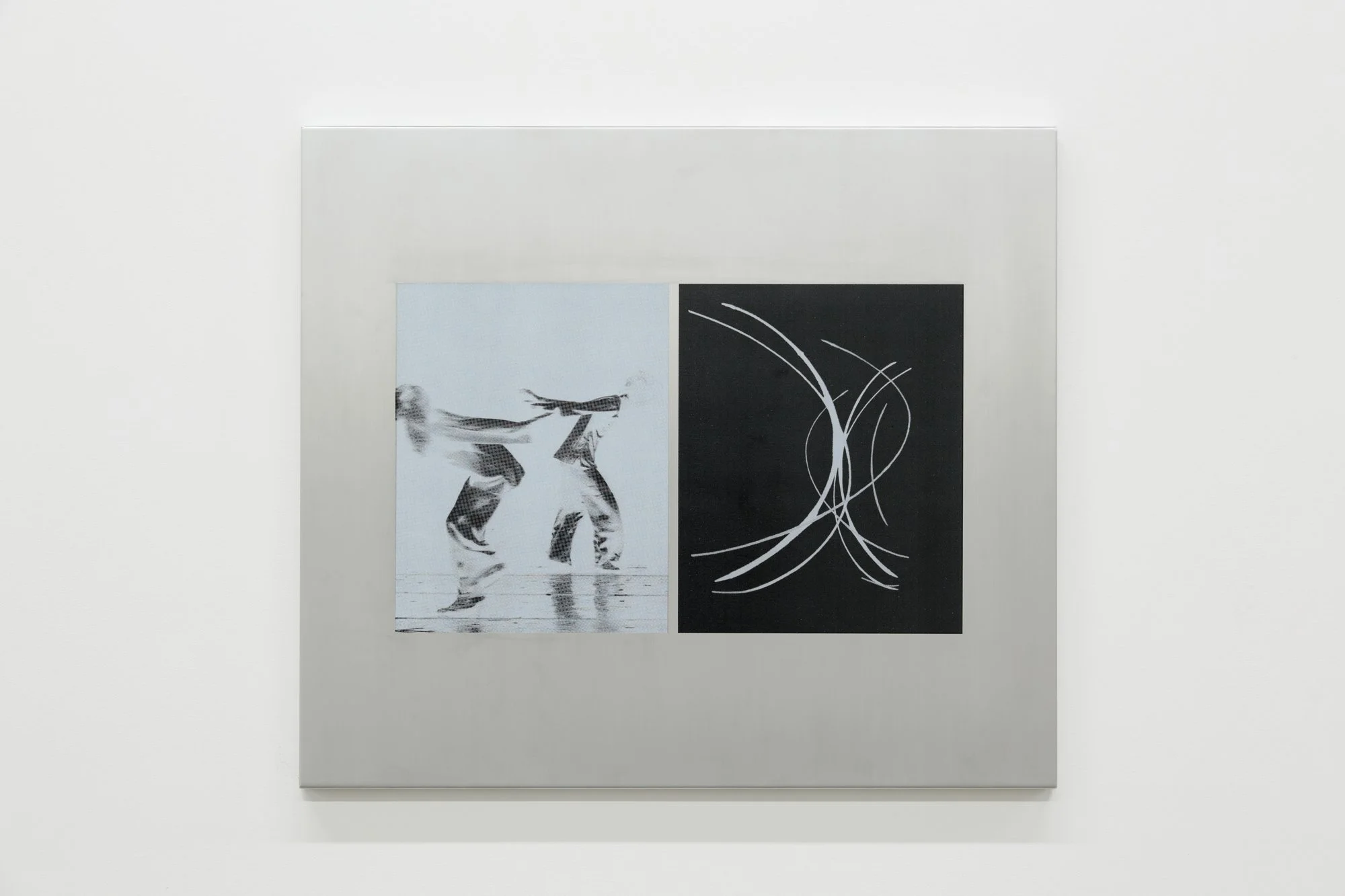
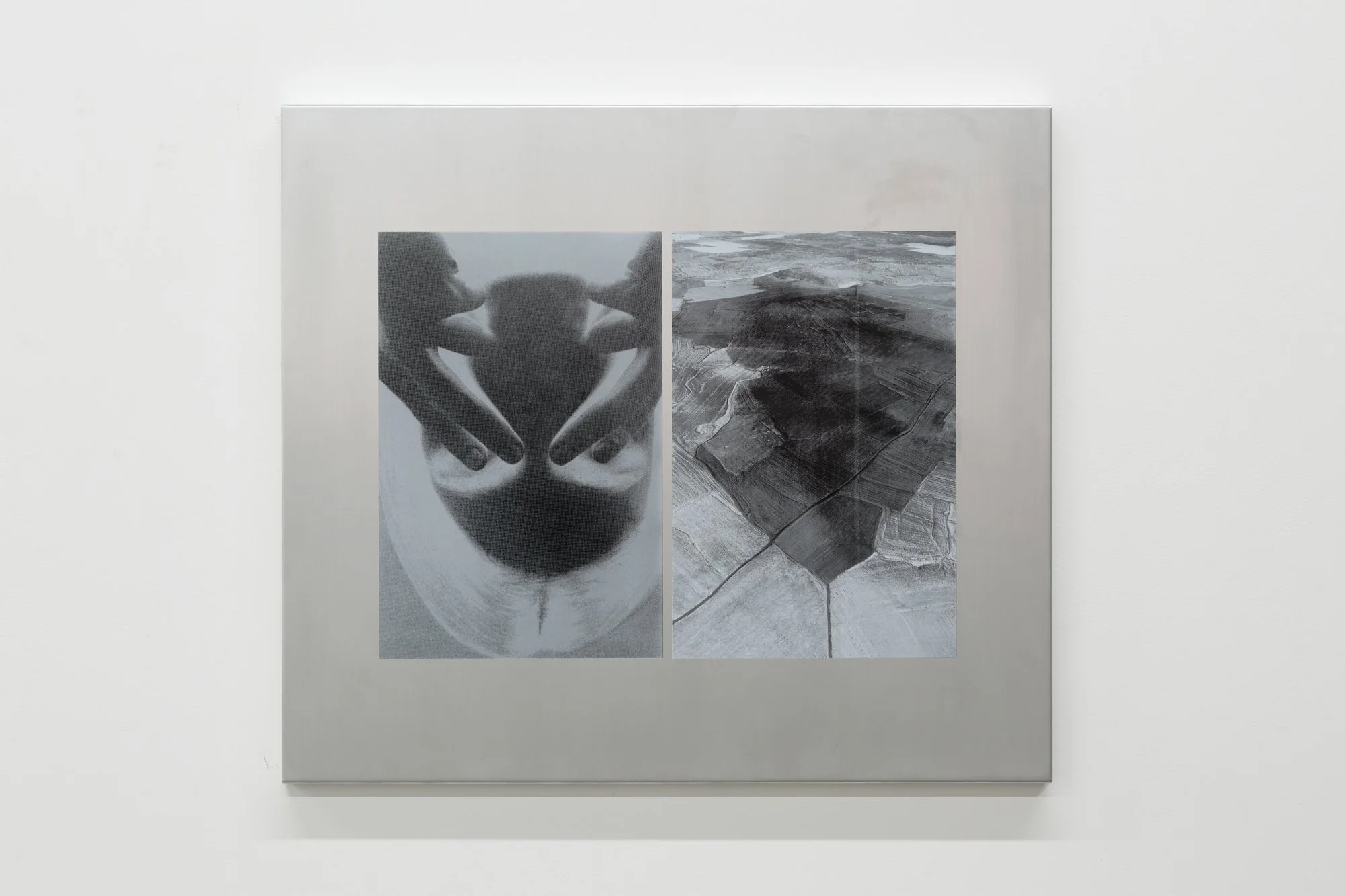
“Zoë Croggon’s diptychs of juxtaposition and transition, of dialogue and transposition, take us to an essence of being, but also question the maps we take to a spatiality expecting to find our way. The correlations presented here between dance and form, between choreography and mimicry, between shape and language (silent, suggested, urged), move across cultural spaces with respect, without appropriation, but also with a deep fascination about why we read sensual presentations in overlapping ways for all our probable difference in experience and culturality. This is an exhibition about viewing and messages — about how we interpret signals both in their presented, predictive modes and through the hidden, their allusions to a state of planetary vulnerability.”
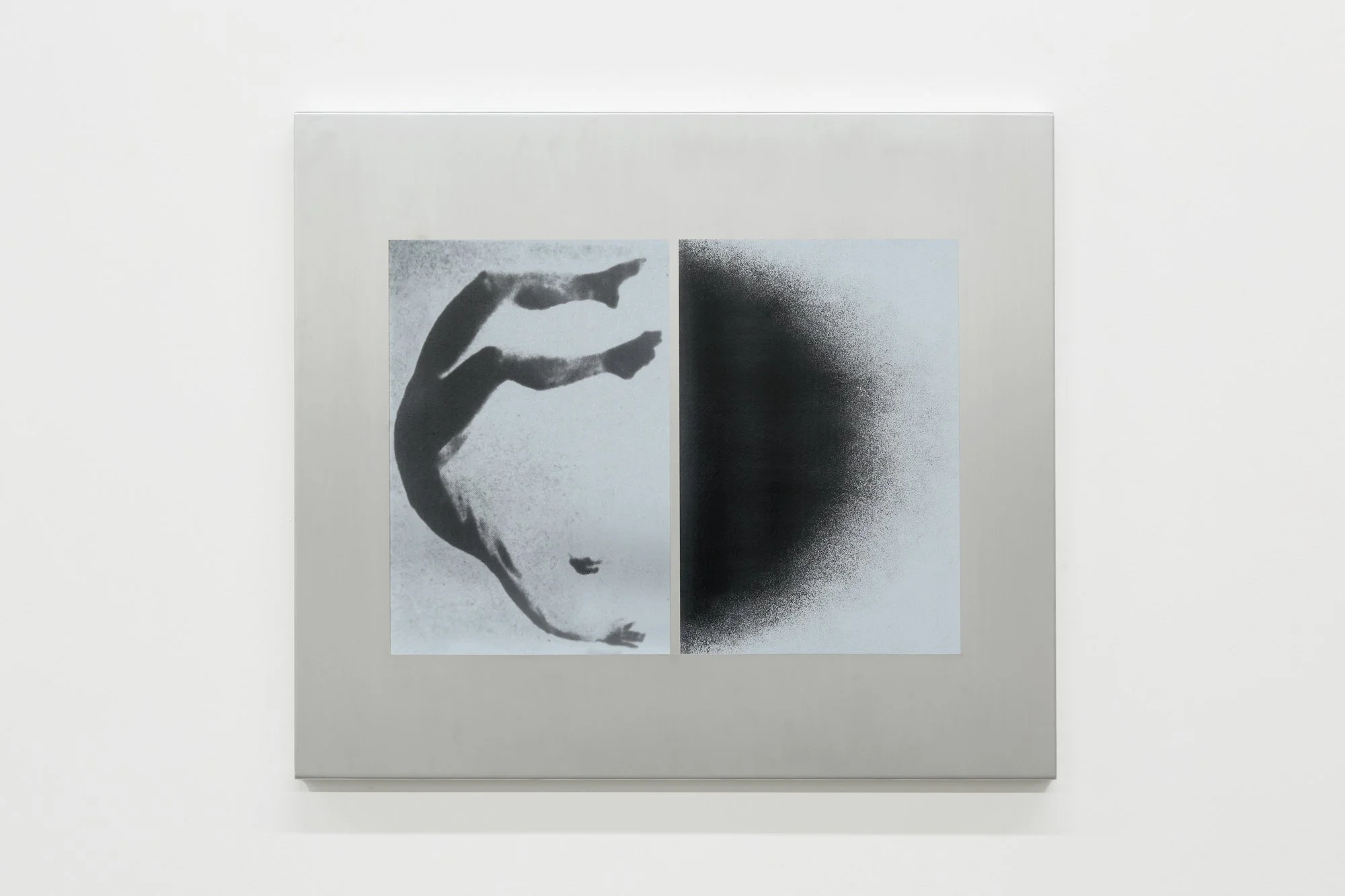
Black Sun, 2025, screenprint on aluminium, 70 x 80 cm
“Croggon’s works do not accuse or expose. They do not rely on dramatic confrontation or overt critique. Instead, they operate through restraint—through juxtaposition, repetition, and the disciplined structure of the diptych. This restraint is not incidental; it is the inquiry itself, asking how visual systems organise perception long before questions of ethics or responsibility are consciously engaged. It is this foundational concern—how seeing becomes a mechanism of governance—that unites the exhibition.
Although Asleep on Watch addresses surveillance, it is not organised around surveillance as a singular theme. Rather, it examines a broader set of visual habits shared across systems of order: choreography, mapping, abstraction, notation, and the conversion of bodies and landscapes into legible form. Surveillance appears here as one manifestation of these habits—an extension rather than their origin.”
Exhibited works
photography: Tim Gresham